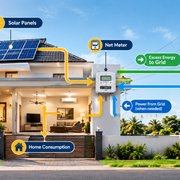
On-Grid vs Off-Grid vs Hybrid Solar:Which Solar System Is Best for Your Home?

On-Grid vs Off-Grid vs Hybrid Solar
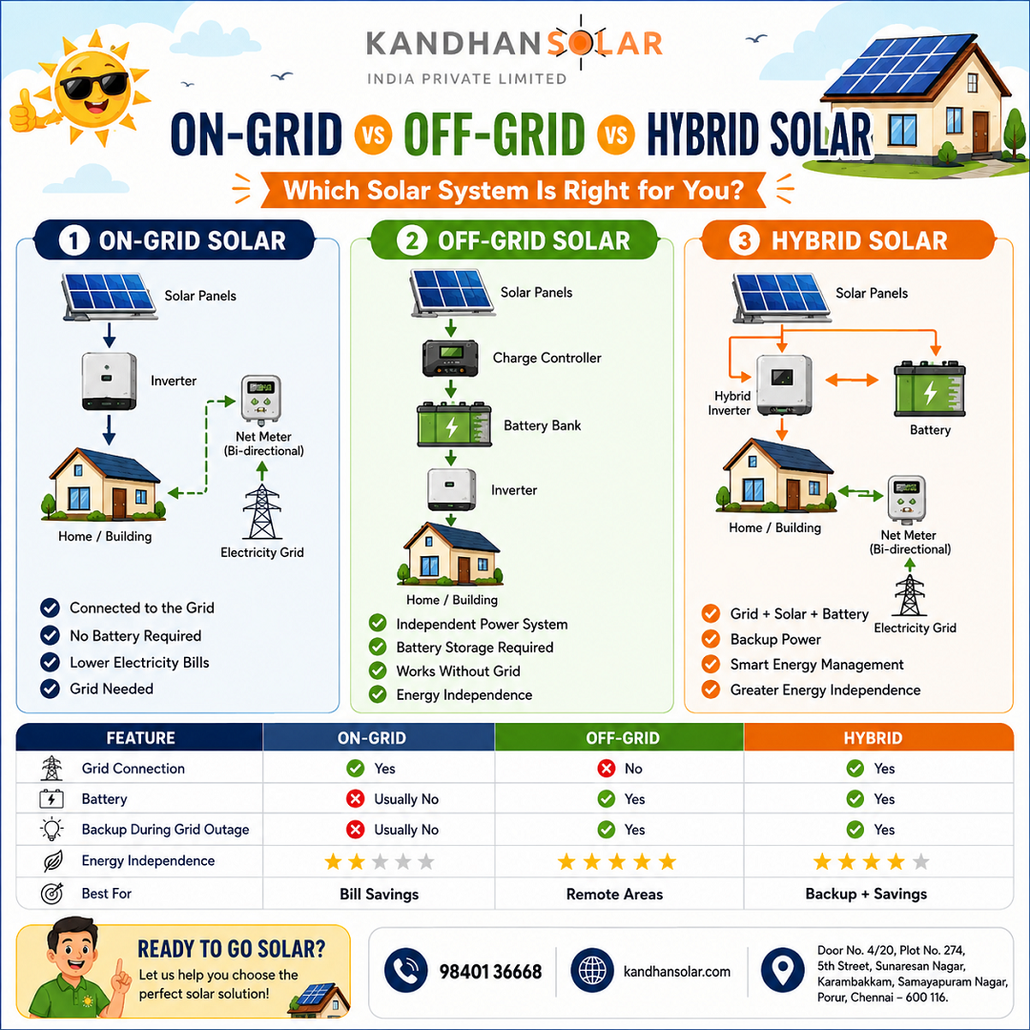
On-grid, off-grid and hybrid solar systems

Choosing the right solar system for your home can help you reduce electricity bills and manage power cuts. In this guide to on-grid vs off-grid vs hybrid solar, we explain how each system works, its benefits, battery requirements and key differences. If you are planning rooftop solar installation in Chennai or elsewhere in Tamil Nadu, Kandhan Solar can help you choose a solution based on your electricity consumption, roof space and budget.

What Is an On-Grid Solar System?

An on-grid solar system is connected to your home’s electrical system and the electricity grid. During the day, your home can use solar electricity directly. Surplus generation may be exported to the grid according to the applicable metering arrangement.

How it works: Solar panels → Solar inverter → Home → Grid            

A standard on-grid system generally does not require batteries for normal operation.

Benefits of On-Grid Solar

  • Lower upfront cost than battery-based systems
  • Suitable for many grid-connected homes
  • Can reduce electricity purchased from the grid
  • No battery replacement cost

Does On-Grid Solar Work During a Power Cut?

Normally, a standard grid-connected solar inverter shuts down during a grid outage for safety reasons. An on-grid system by itself should therefore not be treated as a backup power system.

What Is an Off-Grid Solar System?

An off-grid solar system operates independently of the electricity grid. It typically uses solar panels, an inverter/charge controller and batteries.

The batteries store energy for later use, including when solar generation is unavailable. How it works: Solar panels → Inverter/charge controller → Home + Battery

Benefits of Off-Grid Solar

  • Can operate without a grid connection
  • Battery storage provides energy for later use
  • Useful where grid electricity is unavailable or unreliable
  • Provides greater energy independence

Because batteries are required, off-grid systems can have a higher initial cost, and batteries eventually need replacement.

What Is a Hybrid Solar System?

A hybrid solar system combines solar generation, battery storage and grid connectivity.

It can use solar power during the day, store energy in batteries and use stored energy when required.

How it works: Solar panels → Hybrid inverter → Home + Battery + Grid

Depending on the design, a hybrid system can provide backup power for selected loads during grid outages.

Benefits of Hybrid Solar

  • Solar power generation
  • Battery energy storage
  • Grid connection
  • Backup capability when properly designed
  • Better energy management

The main trade-off is that adding batteries increases the initial investment.

How to Choose the Best Solar System for Your Home

There is no single answer for every homeowner.

Choose On-Grid If

You have reliable grid electricity and your main goal is to reduce the amount of electricity you purchase from the grid.

Choose Off-Grid If

You need an independent electricity system because grid electricity is unavailable or unsuitable for your location.

Choose Hybrid If

You want solar generation and battery backup and are comfortable with the additional investment.

What Should You Consider Before Choosing?

1. Monthly electricity consumption

Review your recent electricity bills and understand your normal usage.

2. Rooftop space

Available roof area affects how many panels can be installed.

3. Power-cut requirements

If backup is important, discuss battery capacity and essential loads with your installer.

4. Budget

Battery-based systems generally require more upfront investment.

5. Daytime electricity usage

Daytime consumption can affect how useful direct solar generation is.

6. Future requirements

Consider future additions such as air conditioners, EVs, water heaters or other high-consumption appliances.

How Much Solar Capacity Does Your Home Need?

The right solar capacity is not determined simply by house size or the number of people living in the home.

It depends on monthly electricity consumption, appliance usage, rooftop space, sunlight, desired generation and system configuration.

Two homes of similar size may need different solar capacities because their electricity consumption can be very different.

Is Solar Worth Installing in Chennai?

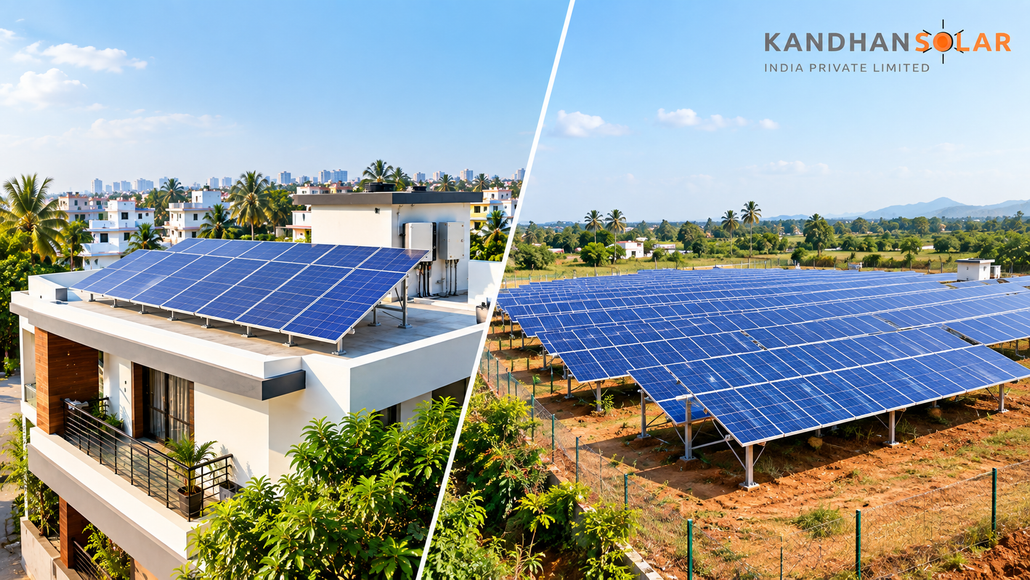
Chennai receives substantial sunlight through much of the year, making rooftop solar a practical option for many homes and businesses.

Actual generation depends on system size, orientation, shading, weather, equipment and maintenance. A professional site assessment can help determine a suitable system.

Why Professional Solar Installation Matters

Solar installation is more than placing panels on a roof. A properly designed system should consider:

  • Roof structure
  • Panel positioning
  • Shading
  • Inverter selection
  • Electrical safety
  • Cable sizing
  • Mounting structure
  • System capacity
  • Maintenance requirements

Choosing the right system at the beginning can help avoid unnecessary costs later.

How Kandhan Solar Can Help

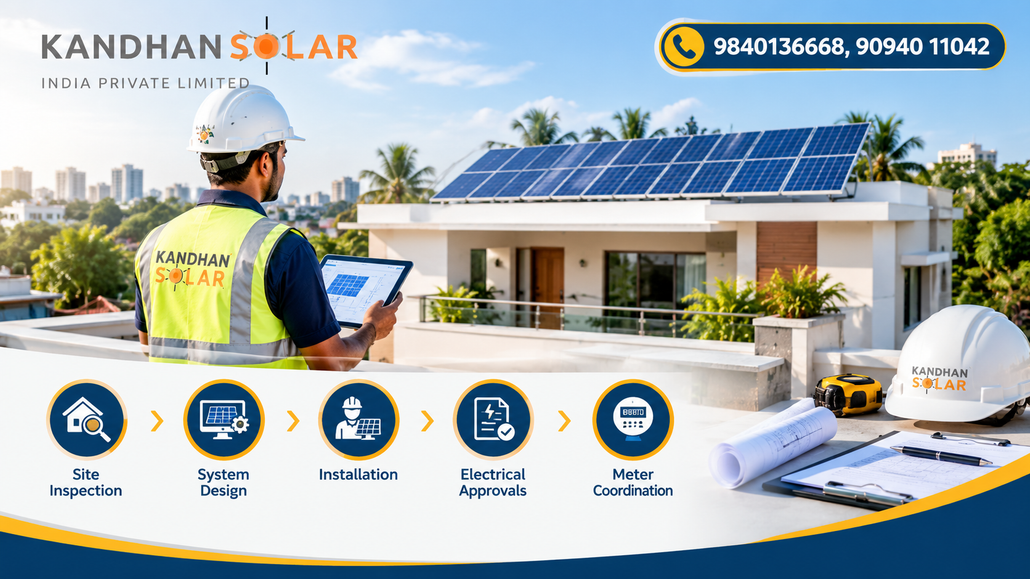
At Kandhan Solar, we help homeowners understand their solar requirements before choosing a system.

Your requirement should be evaluated based on factors such as electricity consumption, rooftop conditions and backup requirements.

Whether you are considering an on-grid, off-grid or hybrid solar system, the right choice should be based on your actual needs.

Thinking about installing solar at your home? Contact Kandhan Solar to discuss your requirements and explore a suitable solar solution.

website:https://kandhansolar.com/

Phone: 9840136668
 

Frequently Asked Questions

1. Which is better, on-grid or hybrid solar?

If reducing grid electricity usage is the main goal and backup is not required, on-grid may be suitable. If backup is important, hybrid may be worth considering.

A standard grid-connected solar inverter normally shuts down during a grid outage. Battery-backed systems can provide backup for supported loads when properly designed.

Not necessarily. It is more appropriate where independence from the grid is important or grid availability is limited.               

Hybrid systems are generally designed around battery storage, although the exact configuration depends on the equipment and system design.

Start with your electricity bills, rooftop space, power-cut requirements and budget. A professional site assessment can then help determine the appropriate system.

The Complete Guide to Rooftop Solarfor Chennai Homes & Businesses

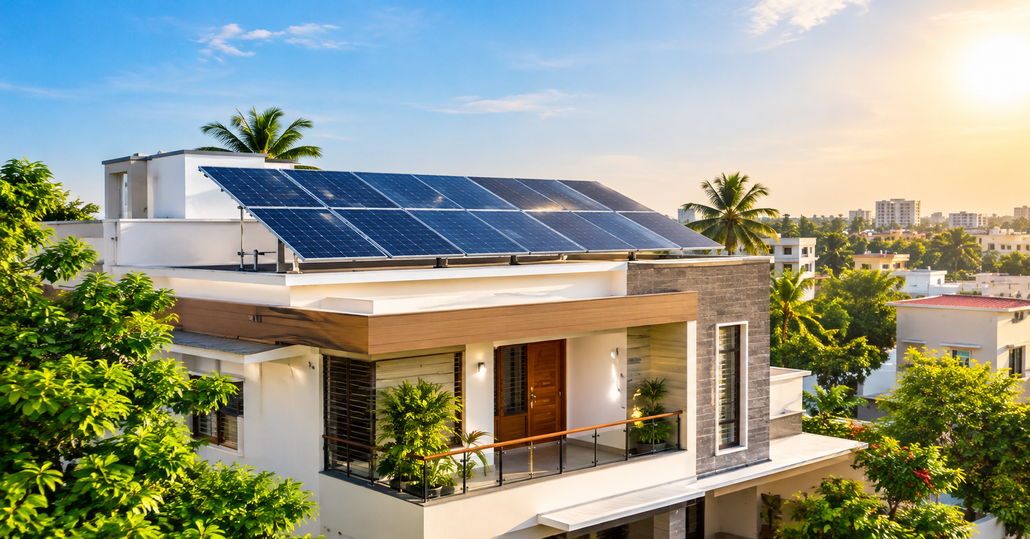
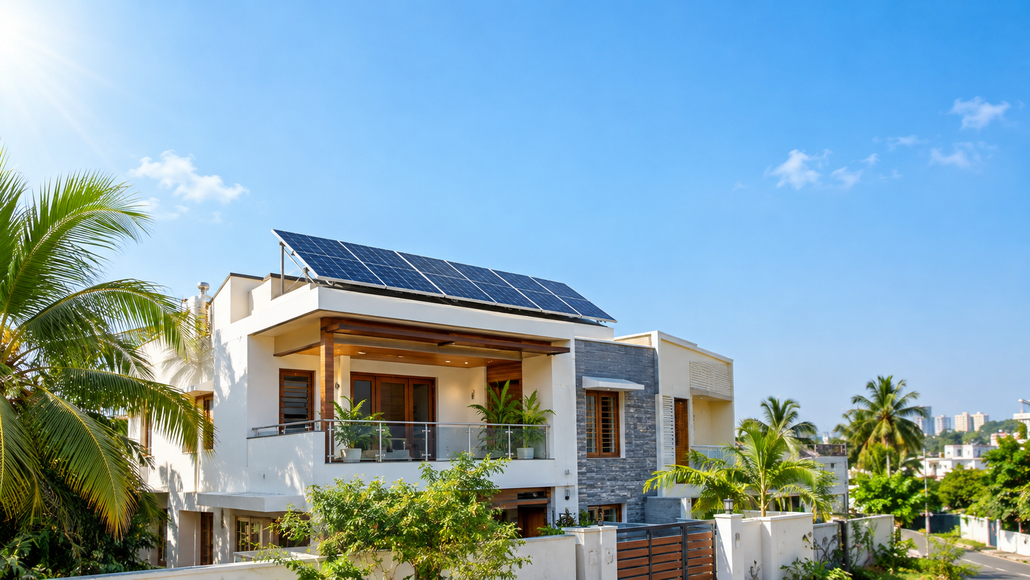
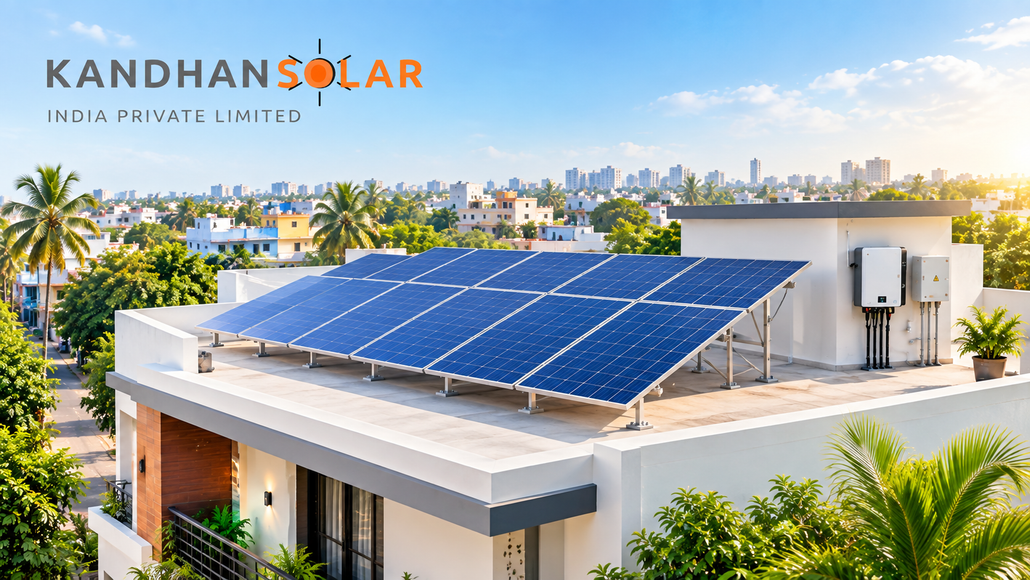
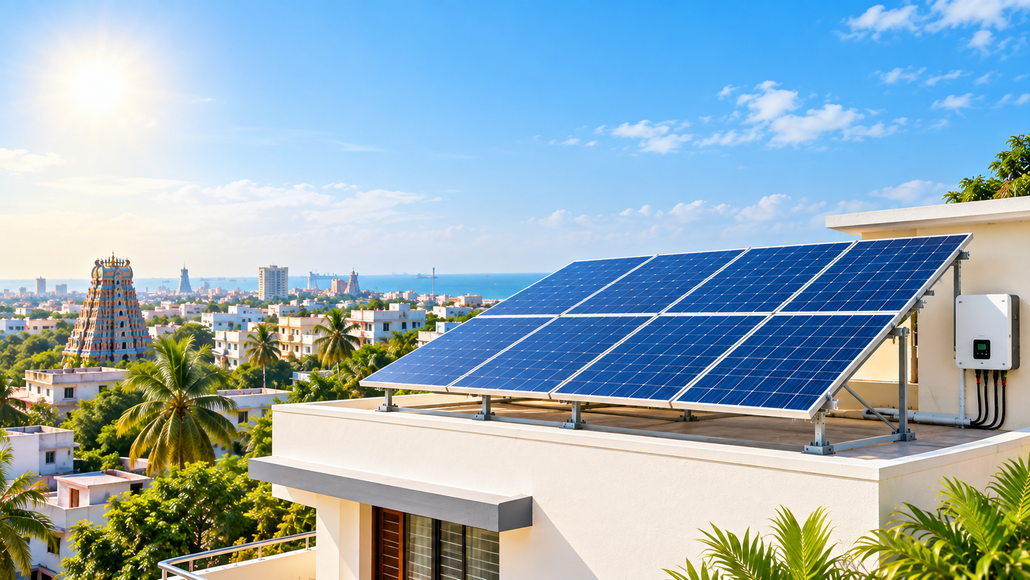
Modern Chennai home with rooftop solar panels under bright sunlight

Everything to know about turning unused roof space into a long-term energy asset.

Rooftop solar in Chennai is the most common way homes and businesses go solar, and for good reason. First, it uses space you already have and requires no additional land. As a result, it can cut your electricity bill significantly within the first year. Here’s a practical look at how rooftop solar in Chennai works, what affects performance, and what to expect from start to finish.

1. Why Rooftop Solar Makes Sense

Most homes and small businesses already have a large, mostly unused asset sitting above them
— the roof. Rooftop solar converts that space directly into a source of electricity, without needing to
purchase or lease additional land. Combined with Chennai’s high annual sunlight hours, a
well-sized rooftop system can offset a large share of a household’s or business’s monthly power
consumption.

2. What Determines How Much Power Your Roof Can Generate

  • Roof area and orientation — south-facing, unshaded roofs generate the most; even
    east/west-facing roofs work well with correct panel tilt.
  • Shading — trees, water tanks, or neighboring buildings can meaningfully cut output, even
    from just a few hours of shade a day.
  • Roof type and strength — RCC roofs are the easiest to mount on; sheet/metal roofs need
    special mounting structures to ensure safety and longevity.
  • Your monthly consumption — system size should be based on your actual electricity usage,
    not just available roof space.

3. The Installation Process, Step by Step

  • Site survey — an engineer inspects your roof, checks shading and structure, and reviews
    past electricity bills.
  • System design — panel count, inverter capacity, and layout are finalized based on your
    consumption and roof space.
  • Installation — mounting structures, panels, wiring, and the inverter are installed, typically
    within 3-5 days for a standard home.
  • Approvals — CEIG inspection, safety certification, and TANGEDCO net-metering registration
    are completed to make the system fully compliant.
  • Commissioning — the system is switched on, the net meter is installed, and you start
    generating your own power.

4. Maintenance: Less Than Most People Expect

Rooftop solar systems have very few moving parts, which keeps maintenance simple. Panels
typically need cleaning every few weeks to remove dust buildup (more frequently in high-dust
areas), and a basic annual check of wiring, connections, and inverter performance helps catch
issues early. Most quality panels carry 25-year performance warranties, so a well-installed system
is built to last for decades with minimal upkeep.

5. How Long Until It Pays for Itself?

Payback period depends on system size, roof conditions, and your electricity consumption. However, most residential rooftop systems in Tamil Nadu pay back their upfront cost within a few years through bill savings. After that, you get 20+ years of largely free electricity generation. In addition, net metering credits any surplus power you generate during the day against what you draw from the grid at night. As a result, your monthly bill keeps shrinking even when you use more power in the evening.

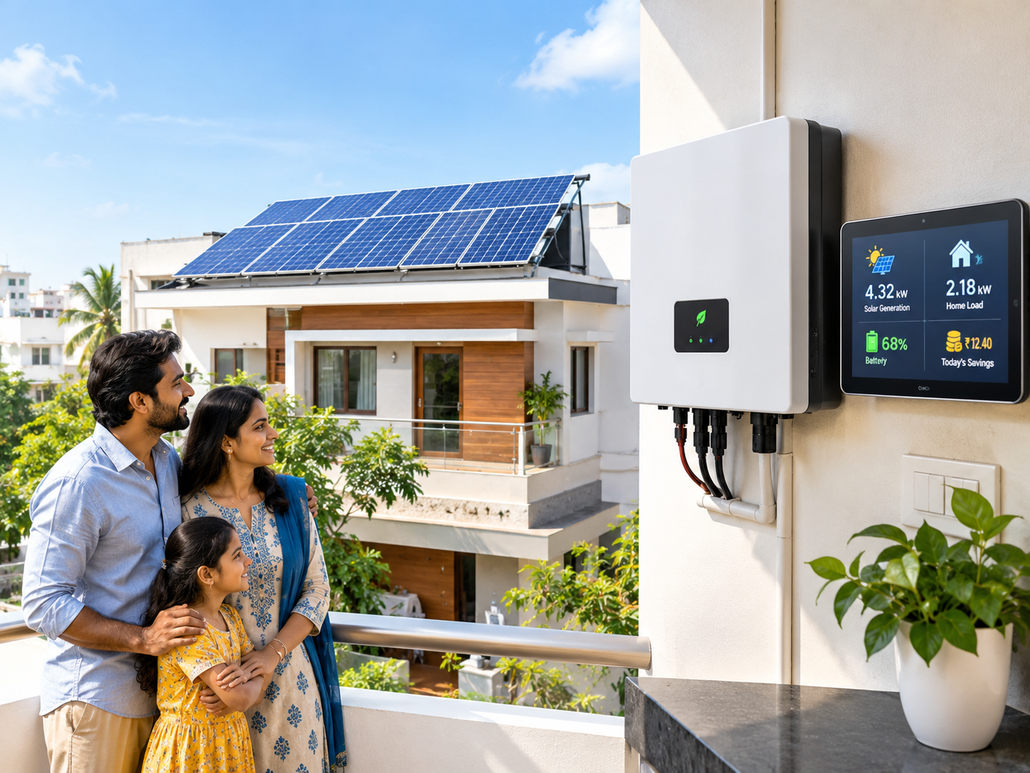
Chennai home with rooftop solar panels, a wall-mounted inverter and electricity monitoring system

Find out what your roof could generate

Kandhan Solar carries out free site assessments for rooftop solar across Chennai —
covering system design, installation, and full CEIG, NCES, and TANGEDCO approval
support.
Call/WhatsApp: +91 90940 11042 | Web: kandhansolar.com
Door No. 4/20, Plot No. 274, 5th Street, Sunaresan Nagar, Karambakkam, Porur,
Chennai – 600116

5 kW Solar System in Chennai: Cost, Benefits, Subsidy and Installation Guide (2026)

5kw-solar-system-chennai

Are you looking for a way to reduce your monthly EB bill and switch to clean energy? A 5 kW solar system can be an excellent option for many medium to large homes in Chennai. With abundant sunlight throughout the year, rooftop solar can help homeowners generate their own electricity and reduce their dependence on grid power.

In this guide, we explain how a 5 kW solar system works, its benefits, estimated electricity generation, installation requirements and available government subsidies.

What Is a 5 kW Solar System?

A 5 kW solar system is a rooftop solar installation with a total rated capacity of 5 kilowatts. It converts sunlight into electricity using photovoltaic solar panels.

For example, it may be suitable for homes with higher electricity consumption. These households may regularly use air conditioners, refrigerators, washing machines, water pumps and other electrical appliances.

The actual system configuration depends on your electricity consumption, available rooftop space, roof conditions and the type of solar system selected.

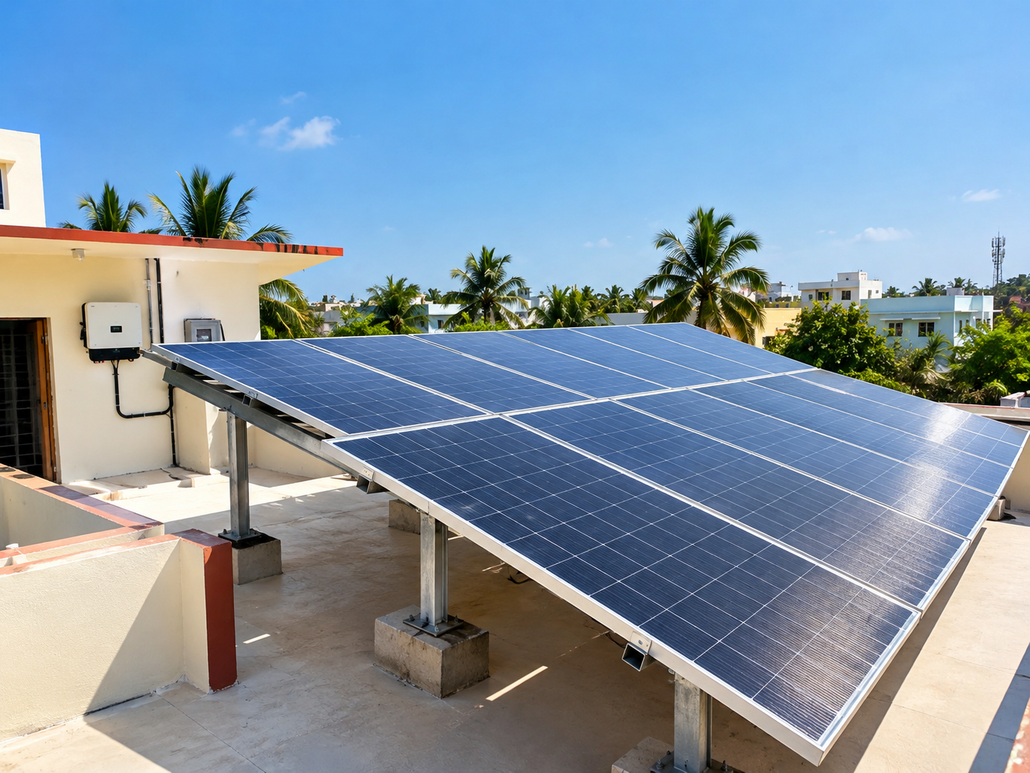
Rooftop solar panels installed on a residential house

How Much Electricity Does a 5 kW Solar System Generate?

A properly installed 5 kW solar system in Chennai may generate approximately 18–25 units of electricity per day under favourable conditions.

Estimated generation:

  • Daily generation: 18–25 units
  • Monthly generation: 540–750 units
  • Annual generation: 6,570–9,125 units

These figures are estimates, not guaranteed output. Actual generation depends on sunlight, shading, panel orientation, weather, equipment efficiency and system maintenance.

Residential solar panels generating electricity in daylight

What Is the Cost of a 5 kW Solar System in Chennai?

The price of a 5 kW solar system depends on the equipment, installation requirements and system configuration.

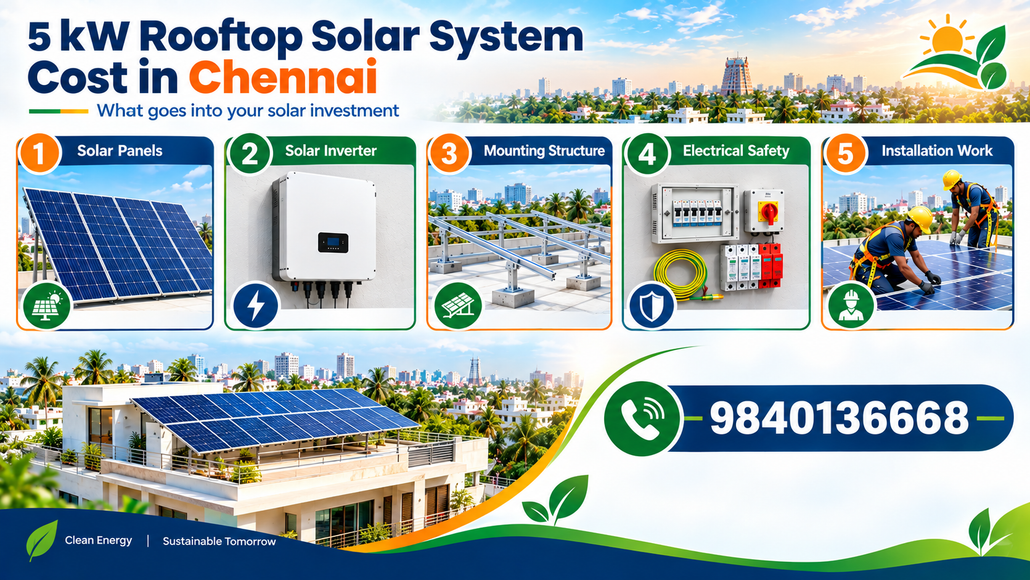
Factors affecting the cost include:

  • Solar panel brand and efficiency
  • On-grid, off-grid or hybrid configuration
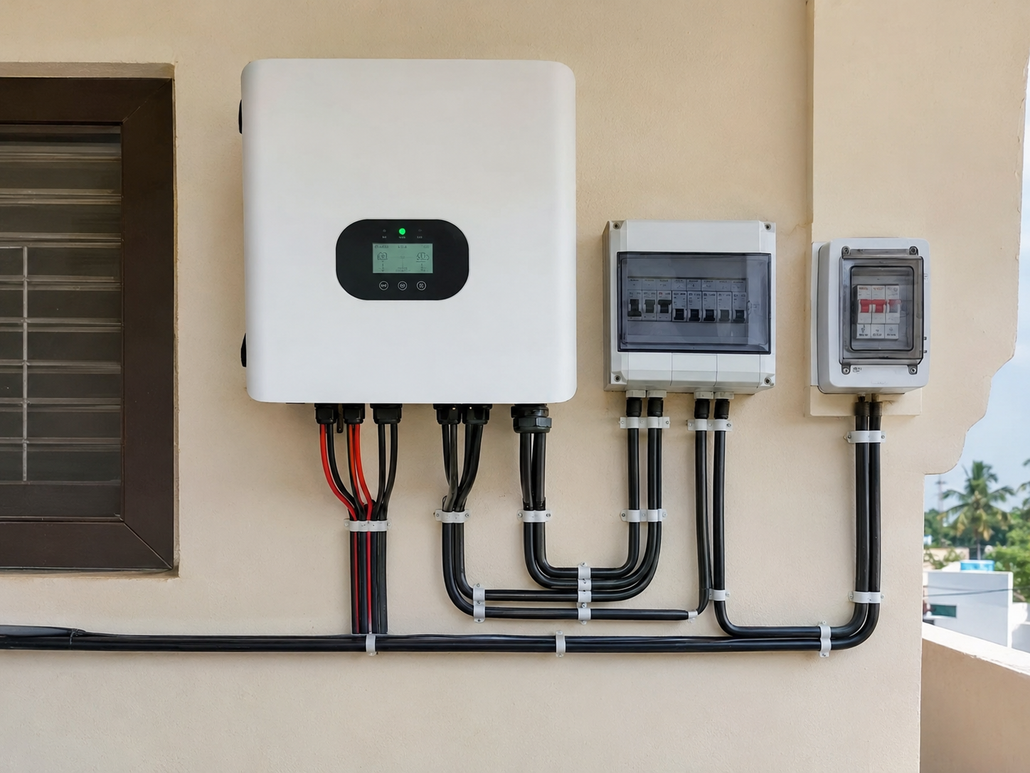
  • Inverter type and capacity
  • Mounting structure and rooftop conditions
  • Wiring, earthing and safety equipment
  • Battery storage, if required
  • Installation and applicable approvals

For an accurate quotation, homeowners should request a site assessment and a detailed proposal covering equipment specifications, installation costs, warranties and expected generation.

Cost factors for a 5 kW rooftop solar system in Chennai

Is a Government Subsidy Available for a 5 kW Solar System?

Eligible residential consumers may be able to receive financial assistance under the PM Surya Ghar: Muft Bijli Yojana, subject to the current scheme guidelines and eligibility requirements.

Under the central subsidy structure, eligible residential rooftop solar installations can receive up to ₹78,000 in central financial assistance for systems of 3 kW or above. A 5 kW installation does not automatically receive a higher central subsidy than the applicable cap.

Applicants should verify current eligibility, approved vendors, installation requirements and application procedures through the official portal:

https://pmsuryaghar.gov.in

Commercial and industrial consumers should check the applicable rules for their consumer category before assuming residential subsidy benefits apply.

Which Type of 5 kW Solar System Should You Choose?

1. On-Grid Solar System

An on-grid system connects to the electricity grid. It is often suitable for homes that want to reduce electricity purchases using solar generation. Grid-connected systems generally shut down during a power outage unless specifically designed with suitable backup equipment.

2. Off-Grid Solar System

An off-grid system operates independently of the electricity grid and typically uses batteries to store energy. It may suit locations with limited or unreliable grid access, but battery capacity and system sizing are important.

3. Hybrid Solar System

A hybrid system combines grid connectivity with battery storage. It can provide backup power for selected loads, depending on the system design and battery capacity.

After the on-grid, off-grid and hybrid explanations

How Much Rooftop Space Is Required for a 5 kW Solar System?

A 5 kW rooftop solar system may require approximately 250–350 square feet of usable space, depending on panel wattage, layout, mounting design and the need for maintenance access.

Before installation, the rooftop should be checked for shading, structural suitability, waterproofing concerns and safe access.

Benefits of Installing a 5 kW Solar System

Lower Electricity Bills

Solar generation can reduce the amount of electricity purchased from the grid. Your actual savings depend on your consumption pattern, tariff, self-consumption and applicable export or net-metering arrangements.

Clean and Renewable Energy

Solar power helps reduce reliance on conventional grid electricity and supports a cleaner energy future.

Long-Term Energy Planning

A solar installation can help households manage a portion of their electricity expenses over the long term. Compare the initial investment, expected generation, maintenance and equipment warranties before deciding.

Suitable for Many Modern Homes

A 5 kW system can be considered by households with substantial daytime electricity consumption, particularly when rooftop space and site conditions are suitable.

What Is the Installation Process?

A professional rooftop solar installation generally involves these steps:

  1. Electricity consumption assessment: Review electricity bills to understand household energy needs.
  2. Rooftop inspection: Evaluate available space, shading and structural suitability.
  3. System design: Select the appropriate capacity, panels, inverter and configuration.
  4. Quotation and documentation: Review costs, specifications and required approvals.
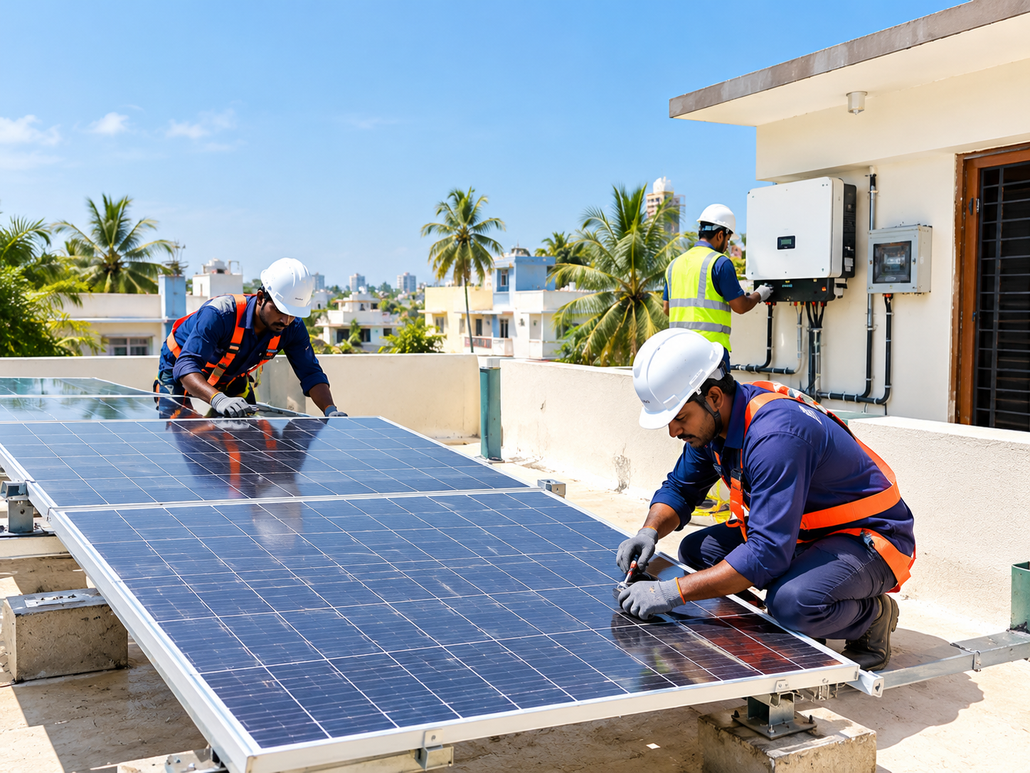
  5. Installation: Install the mounting structure, panels, inverter, wiring and safety equipment.
  6. Inspection and commissioning: Complete the applicable utility procedures and system testing.
  7. Monitoring and maintenance: Check system performance and keep panels clean according to site conditions and manufacturer recommendations.

Why Choose Kandhan Solar?

Kandhan Solar helps customers explore rooftop solar solutions based on their electricity requirements and site conditions. A proper assessment can help determine whether a 5 kW system is suitable for your home and which configuration best fits your needs.

Whether you want to reduce electricity expenses or move towards renewable energy, selecting the right system begins with a clear understanding of your power consumption and installation requirements.

Frequently Asked Questions

Is a 5 kW solar system sufficient for a house?

Therefore, solar power may be suitable for many households. However, the right system capacity depends on monthly electricity consumption, daytime usage, available roof space, and backup requirements.

How many units can a 5 kW solar system produce per month?

It may generate approximately 540–750 units per month under favourable conditions. Actual output varies with weather, shading and equipment performance.

Can a 5 kW solar system run air conditioners?

It can contribute to powering air conditioners and other household appliances when sufficient solar electricity is available. The result depends on appliance loads, simultaneous usage, sunlight and the system configuration.

Does a 5 kW solar system work at night?

Solar panels do not generate electricity at night. Power must come from the grid or a suitably sized battery system.

Is a battery compulsory for a 5 kW rooftop solar system?

No. Batteries are generally not required for a standard on-grid system. They may be needed when backup power or off-grid operation is required.

Get Started with Rooftop Solar in Chennai

Thinking about installing a 5 kW solar system for your home? Start by assessing your electricity consumption, rooftop space and eligibility for applicable government benefits.

Contact Kandhan Solar to discuss your rooftop solar requirements and request an installation assessment.

Contact Kandhan Solar to discuss your rooftop solar requirements and request an installation assessment.

Kandhan Solar India Private Limited
Phone: 9840136668
Address: Door No. 4/20, Plot No. 274, 5th Street, Sunaresan Nagar, Karambakkam, Samayapuram Nagar, Porur, Chennai – 600 116.

Website: https://kandhansolar.com/

Switch to solar energy and take a step towards a more energy-efficient home.

Why More Chennai Homes Are Switching to Solar in 2026

Solar for homes in Chennai is becoming increasingly popular as homeowners look for ways to reduce electricity bills and make better use of rooftop space. This practical guide explains rooftop solar savings, the installation process, and what Chennai homeowners can expect from a trusted local installer.

1. The Real Cost of Staying on the Grid

Most Chennai households don’t notice how much their electricity costs rise each year. This becomes clear when they compare bills across a few summers.

Rising per-unit tariffs, fuel surcharges, and increased air conditioning use all add to the cost. Hot summer months can make this even more noticeable.

A rooftop solar system does more than reduce your electricity bill. It can lock in a large share of your energy costs for the next 20+ years. Solar also helps protect your household from future tariff hikes.

2. What a Rooftop Solar System Actually Involves

A typical residential installation has three core stages, and understanding them helps set realistic
expectations:

  • Site assessment — evaluating roof space, shading, structural strength, and your monthly
    consumption pattern to size the system correctly.
  • Installation — mounting panels, wiring, and setting up the inverter, typically completed within
    a few days for a standard home.
  • Approvals & commissioning — securing CEIG, NCES, and TANGEDCO approvals and
    net-metering registration so the system is fully compliant and grid-connected.

3.Rooftop vs. Ground-Mounted: Which Is Right for You?

Rooftop systems are the default choice for most homes, making use of otherwise unused roof
space with minimal footprint. Ground-mounted systems suit larger properties, farms, or commercial
sites where roof space is limited or the layout isn’t ideal for panel orientation. Either way, correct
system sizing — matched to your household’s actual consumption — is what determines your real
savings, not just panel count.

4. OPEX vs. CAPEX: Two Ways to Go Solar

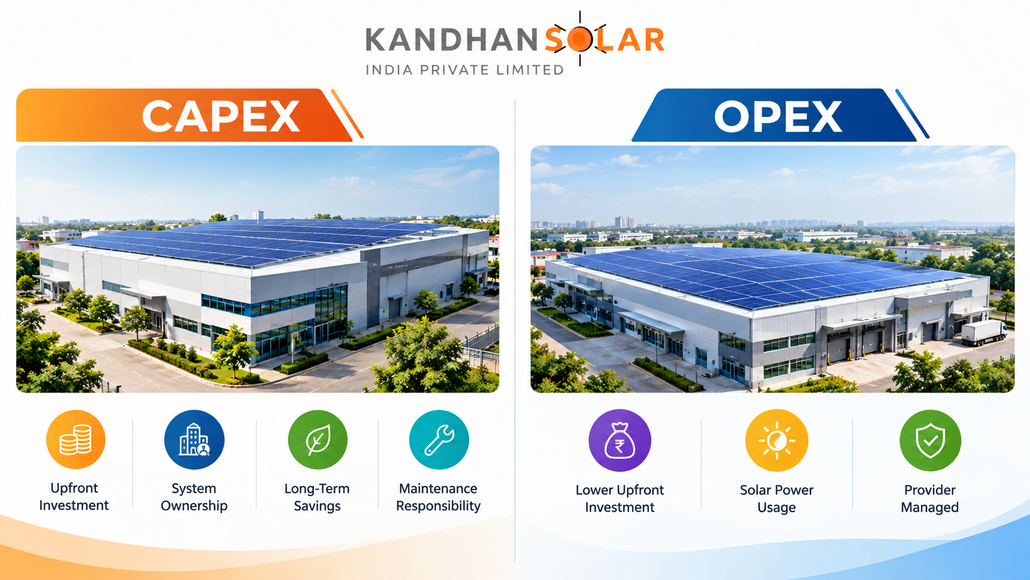
Not every household wants to pay the full system cost upfront. Under a CAPEX model, you own
the system outright and capture 100% of the long-term savings. Under an OPEX model, a solar
provider owns and maintains the system while you pay a lower, predictable rate for the power it
generates — a good fit for commercial and industrial properties that want savings without upfront
capital investment.

5. Why Local Expertise Matters

Solar approvals in Tamil Nadu can be confusing for first-time buyers. The process may require a CEIG inspection and safety certification. It may also involve TANGEDCO net-metering approval.

Working with an installer who handles these approvals can make the process much easier. You won’t have to manage the compliance work yourself. This can help avoid unnecessary delays and make your solar installation smoother.

How rooftop solar installation works

1.Site visit and roof check: we look at your roof space, shade and electrical connection.

2.Design and quote: we recommend a system size based on your power usage.

3.Approvals and paperwork: grid-connected systems need approval before they feed power to the grid.

4.Installation: our team installs the panels, inverter and wiring.

5.Grid connection and handover: the system is connected, tested and explained to you.

6.Maintenance: regular servicing keeps the system working well.

Solar for homes in Chennai: common questions

Do I need approval to install rooftop solar?

Grid-connected systems need approval before they feed power to the grid. Read about our TANGEDCO net feed approval and safety approval services.

What maintenance does a rooftop system need?

Panels need periodic cleaning, and the inverter and connections should be checked regularly.

Ready to see what solar could save you?

Kandhan Solar is a trusted solar company in Chennai, serving homes, businesses, and industries across Tamil Nadu. As a solar company in Chennai, we provide rooftop and ground-mounted solar systems with complete CEIG, NCES, and TANGEDCO approval support.
Call/WhatsApp: +91 90940 11042 | contact us
Door No. 4/20, Plot No. 274, 5th Street, Sunaresan Nagar, Karambakkam, Porur,
Chennai – 600116.

Home » Archives for 2026

Solar Subsidies in Tamil Nadu: A Complete 2026 Guide for Homeowners and Businesses

Rooftop solar installation on a modern home in Tamil Nadu

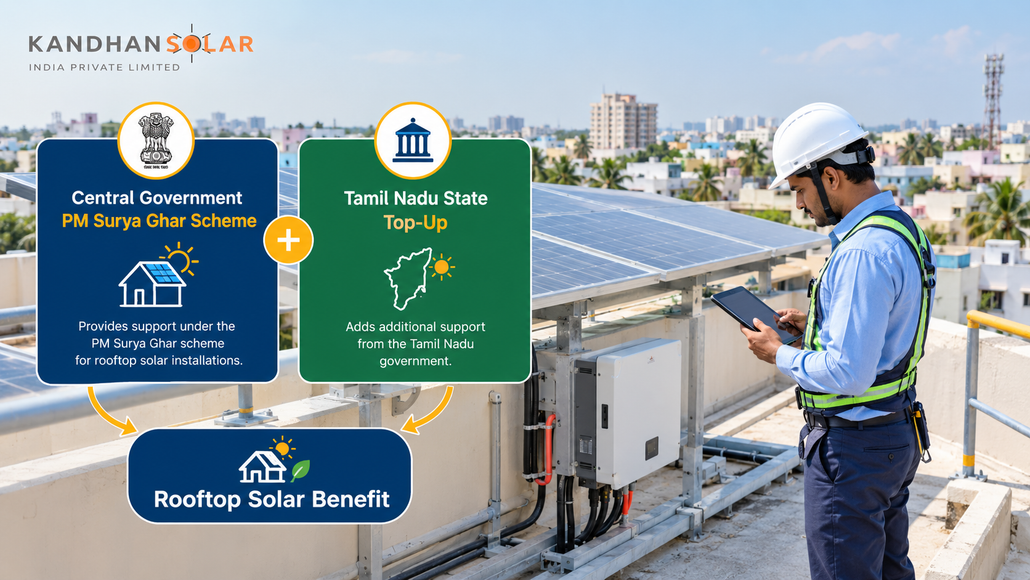
If you’ve been putting off going solar because you’re not sure what subsidies you actually qualify for, now is a good time to look again. Between the central government’s PM Surya Ghar scheme and Tamil Nadu’s own new state-level top-up, the combined support available to a typical household has never been higher— and TANGEDCO has streamlined much of the paperwork that used to make the process feel intimidating. Here’s a clear, no-jargon breakdown of what’s on offer, who qualifies, and how the application actually works.

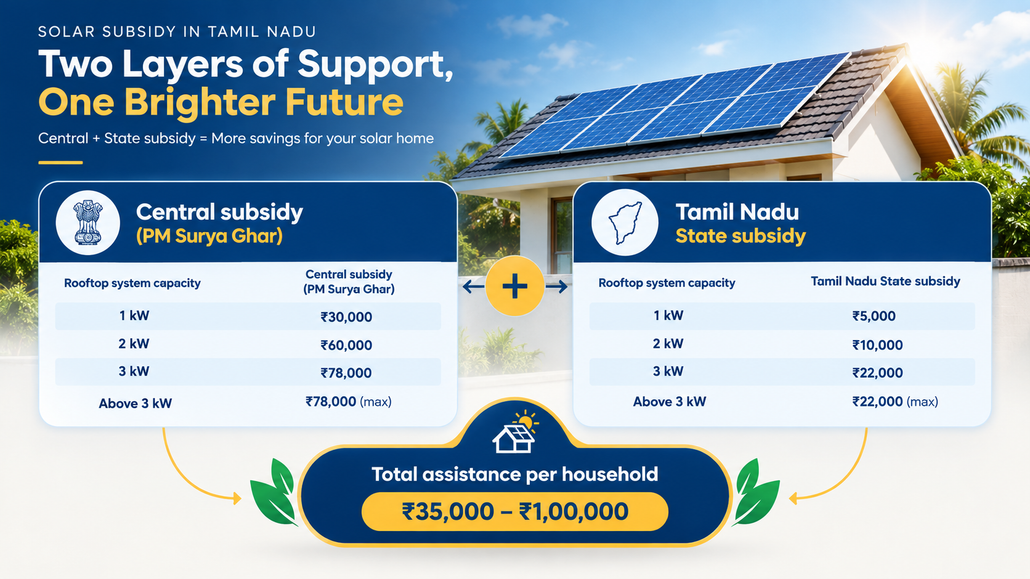
The Two Layers of Subsidy

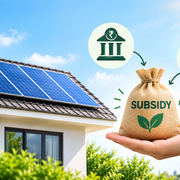
Solar subsidy schemes in Tamil Nadu including central and state support

1. The Central Scheme — PM Surya Ghar Muft Bijli Yojana

This is the national rooftop solar program, and it provides the foundation for applications in Tamil Nadu. It offers:

  • ₹30,000 per kW for the first 2 kW of system capacity
  • ₹18,000 for the 3rd kW
  • A cap of roughly ₹78,000 for systems of 3 kW and above

The program has no income ceiling. Your income does not affect eligibility. You must own a residential property with an active TANGEDCO connection. An MNRE-empanelled vendor must carry out the installation. Furthermore, the property must not have previously received a central subsidy for rooftop solar. As a result, previous beneficiaries may not be eligible to apply again.

2. The New State Top-Up (Tamil Nadu Budget 2026–27)

In its 2026–27 budget, the Tamil Nadu government announced a new Rooftop Solar Subsidy Scheme designed to work alongside the central program rather thanreplace it. Combined, the two schemes can now bring total support up to about ₹1 lakh per home — a significant jump from what was available even a year ago, and a strong signal that the state wants to accelerate rooftop adoption well beyond the roughly one lakh households currently covered.

Who’s Eligible

Residential and commercial rooftop solar systems in Tamil Nadu

The schemes aren’t limited to single-family homes. Coverage generally extends to:
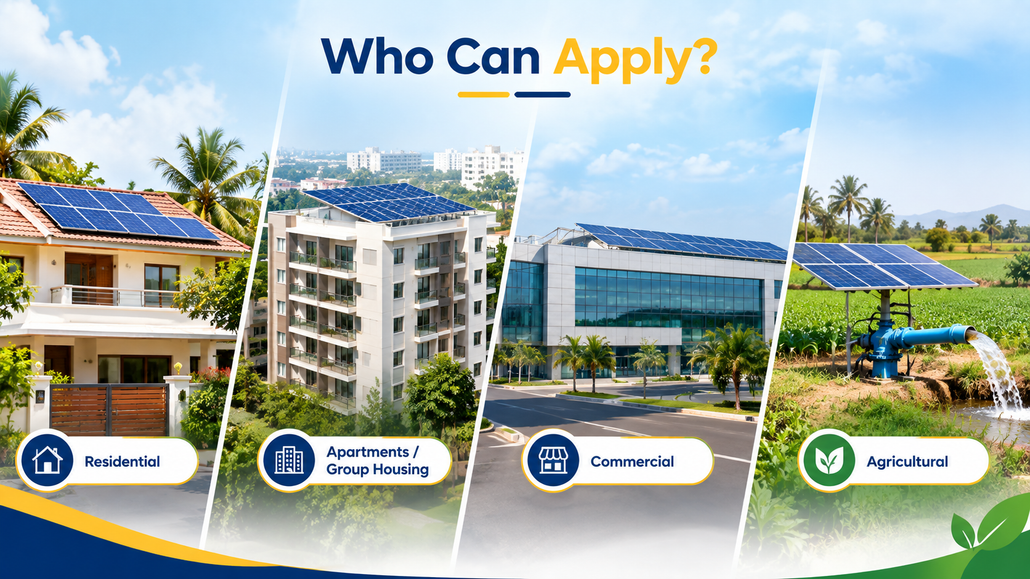
1.Residential consumers (including apartments and group housing)
2.Commercial establishments — shops, offices, small hospitals
3.Educational institutions
4.Agricultural consumers, including pump-set connections
5.Industrial units under the LT (low-tension) category
Systems above 10 kW go through an additional feasibility study and a transformer capacity check before approval, which is standard practice to make sure the local grid infrastructure can handle the added capacity.

How the Application Process Works

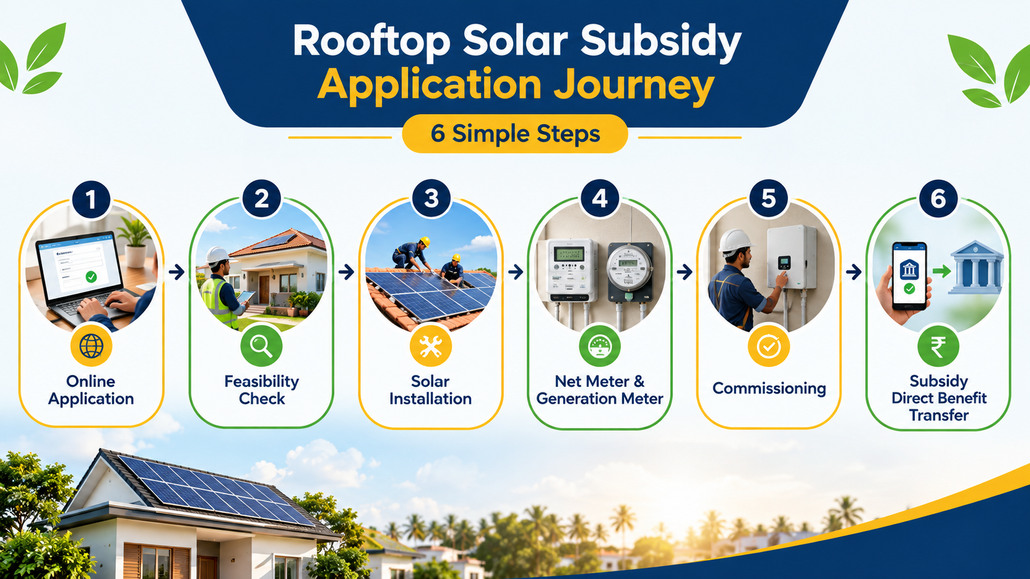
Rooftop solar subsidy application process in Tamil Nadu

TANGEDCO acts as the nodal agency for the whole process in Tamil Nadu, and almost everything now runs through its Unified Solar Rooftop Portal. In broad
strokes:

  1. Apply online through the portal with your consumer details and proposed system capacity.
  2. Feasibility check — TANGEDCO assesses technical suitability, which typically takes 7–15 working days in urban areas.
  3. Installation by your chosen registered vendor, usually completed within 1–2 days for a standard 3 kW residential system.
  4. Net meter and generation meter installation — You can apply for both through TANGEDCO after installation. Your installer should coordinate the process for you.
  5. Commissioning certificate — Your installer uploads the certificate to the portal along with your bank details.
  6. Subsidy disbursement via Direct Benefit Transfer, generally within 30–60 days of commissioning.
    A practical tip: don’t commission the system before TANGEDCO’s feasibility approval comes through — jumping ahead can complicate the subsidy claim later.

Net Metering: Where the Real Long-Term Savings Come From

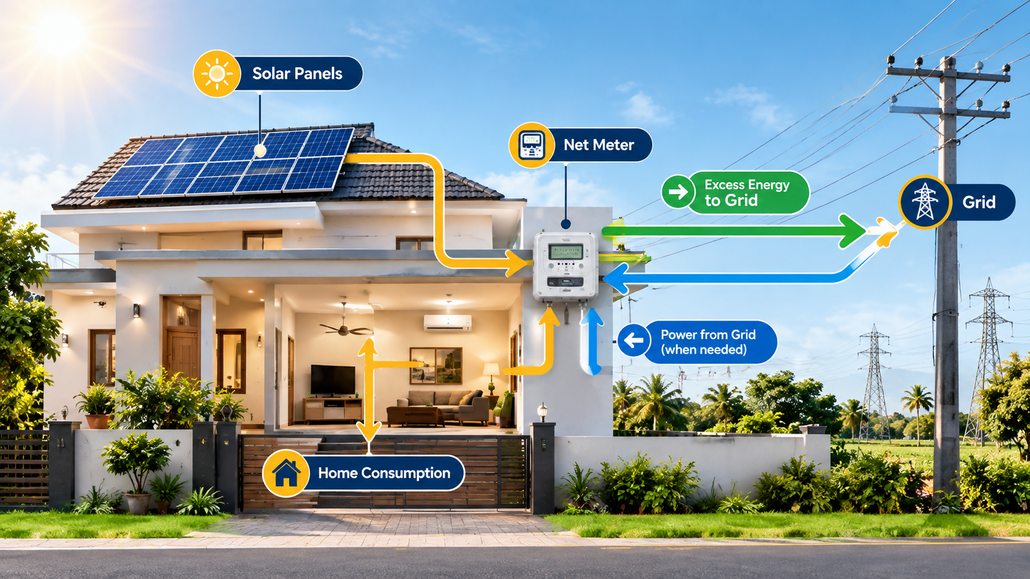
Solar net metering system for a rooftop solar home in Tamil Nadu

Beyond the upfront subsidy, net metering is what makes solar genuinely pay for itself over time. Under the TNERC (Tamil Nadu Electricity RegulatoryCommission) framework that TANGEDCO implements, any solar power you generate but don’t use is exported to the grid, and you’re billed only for your net consumption — what you draw from the grid minus what you send back. For most households, this is what pushes electricity bill reductions into the 40–90% range
depending on system size and usage patterns.

One thing worth checking, especially if you’re on subsidised or free electricity units, is how net metering interacts with your existing consumption-based subsidies. For example, the rules may differ from those that apply to a standard metered household, and therefore it’s important to confirm the details with TANGEDCO or your installer before applying.Therefore, before applying, it’s worth confirming the details with TANGEDCO or your installer. This way, you can understand how the subsidy and net-metering arrangements will work together and avoid any unexpected changes to your electricity bill.

Why the Timing Matters

Tamil Nadu rooftop solar subsidy awareness for 2026–27

The central scheme operates on a fixed national budget, and it’s designed to run only until either the funding is exhausted or the installation target is reached —whichever comes first. It isn’t an open-ended entitlement. With the new state top-up now stacking on top of it, Tamil Nadu households currently have access to more combined support than at almost any point since these programs launched, but that window is tied to budget availability rather than a fixed end date.

How Kandhan Solar Can Help

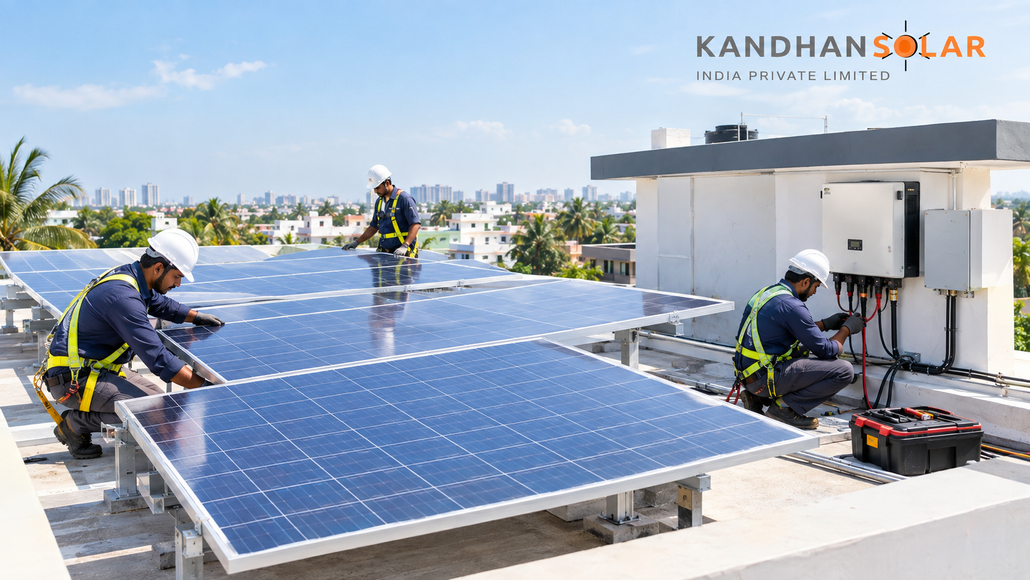
Kandhan Solar technician inspecting a rooftop solar installation in Tamil Nadu

Navigating feasibility approvals, vendor registration, and meter paperwork can be time-consuming. Kandhan Solar can handle the full process for you.

We manage each step from the initial site assessment to system design. We also coordinate CEIG, NCES, and TANGEDCO approvals. Our support continues through generation meter compliance and performance monitoring.

Are you a homeowner looking to reduce your electricity bill? We can help you understand the available subsidy options.

Are you a business considering a CAPEX or OPEX solar project? We can guide you through the process and manage the required paperwork.

Are you a farmer considering a pump-set connection? Our team can explain the applicable subsidy and help with the documentation.

Ready to see what you could save? Get in touch with our team for a free site assessment.

We will provide a personalised quote based on your roof area and energy consumption.

Completed rooftop solar installation for a home in Tamil Nadu

This article reflects publicly available subsidy information from the Tamil Nadu 2026–27 budget announcement.

MNRE and the Tamil Nadu government set the subsidy amounts, eligibility criteria, and disbursement timelines. These details may change over time.

Always confirm the latest figures with TANGEDCO or your solar installer before applying.

3kW Solar System Price in Chennai: Cost, Savings and Everything You Need to Know

When planning to install solar panels for your home, you may have come across different system sizes. Among them, a 3kW solar system is a popular option for many residential properties.

But before making a decision, most homeowners have the same questions: How much does a 3kW solar system cost? How much electricity can it generate? How much roof space does a 3kW solar system require? And most importantly, is a 3kW system suitable for my home?

In this article, we will explain everything you need to know about installing a 3kW solar system in Chennai.

What Is a 3kW Solar System?

3kW solar system on a residential rooftop

A 3kW solar system uses rooftop solar panels to generate electricity. An inverter converts the electricity from the panels into usable electricity.

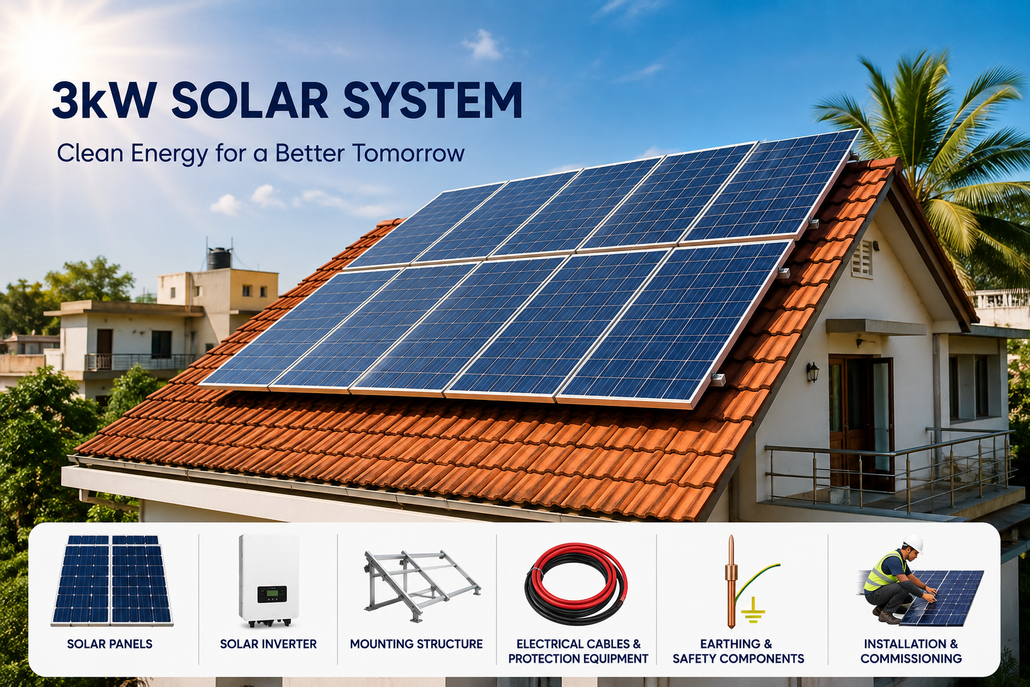
A complete solar system generally includes:

  • Solar panels
  • Solar inverter
  • Mounting structure
  • Electrical cables and protection equipment
  • Earthing and safety components
  • Installation and commissioning

The exact number of solar panels required may vary depending on the wattage of the panels selected.

What Is the 3kW Solar System Price in Chennai?

3kW solar system price in Chennai

The cost of a 3kW solar system in Chennai can vary depending on several factors. There is no single price that applies to every home because every installation is different.

The final cost may depend on:

  • Type and quality of solar panels
  • Inverter specifications
  • Type of mounting structure
  • Rooftop conditions
  • Electrical work required
  • Installation requirements
  • Warranty and service support

For this reason, it is always better to get a proper site assessment before choosing a solar system based only on the lowest price.

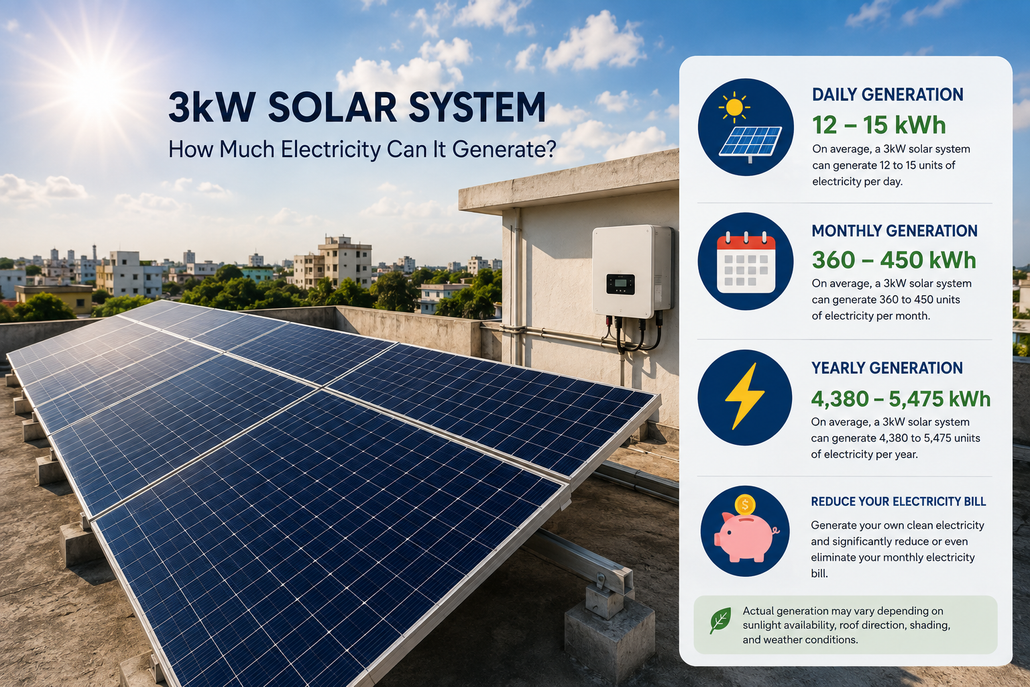
How Much Electricity Can a 3kW Solar System Generate?

3kW solar panels generating electricity

The electricity generated by a solar system depends on several factors, including the amount of sunlight available, panel direction, shading and weather conditions.

Factors that can affect solar generation include:

• Shade from nearby buildings or trees
• Direction and angle of the solar panels
• Dust and maintenance
• Weather conditions
• Quality and efficiency of the system

A site inspection can help provide a more realistic estimate of the expected generation for your particular property.

Is a 3kW Solar System Suitable for My Home?

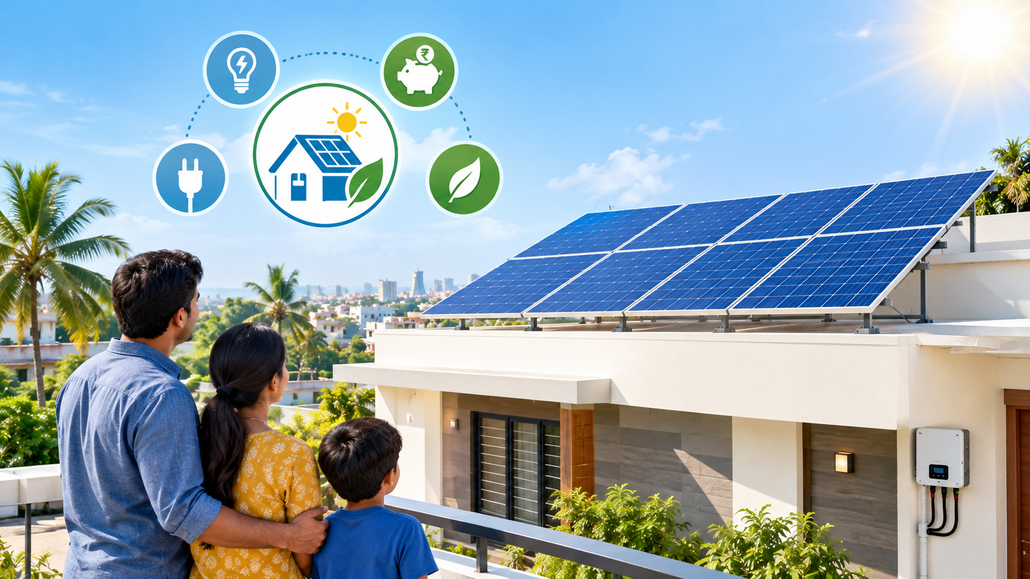
3kW solar system for a residential home

A 3kW solar system may be suitable for some residential properties, but the right system size depends mainly on your electricity consumption.

Before selecting a solar system, it is useful to check:

  • Your monthly electricity usage
  • Your electricity bills
  • Number of electrical appliances
  • Air conditioner usage
  • Number of people in the household
  • Future electricity requirements

Instead of choosing a solar system only based on what someone else has installed, it is better to understand your own electricity requirements.

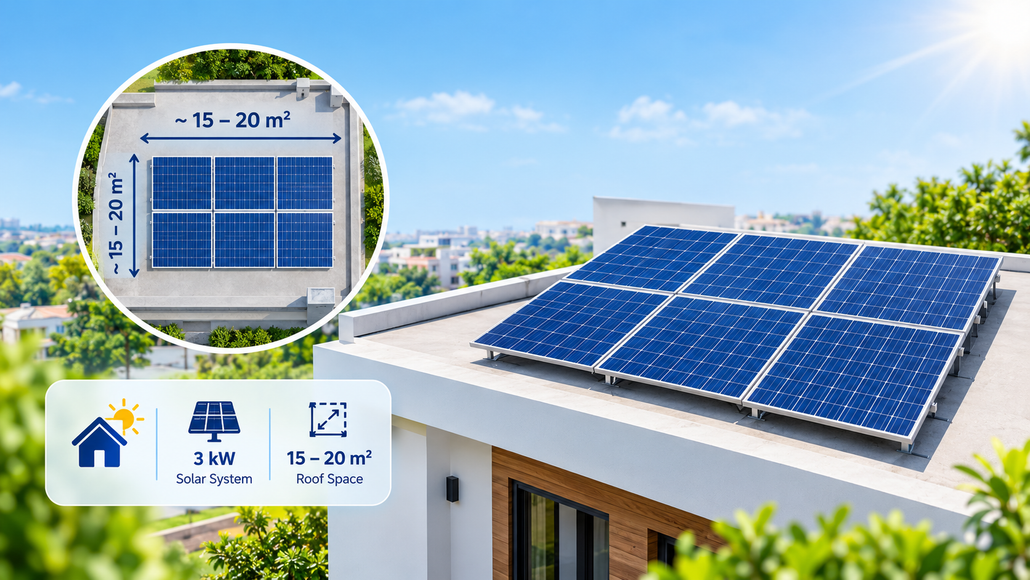
How Much Roof Space Does a 3kW Solar System Require?

3kW solar panels on a residential rooftop

The amount of rooftop space required depends on the size and wattage of the solar panels. Water tanks, staircase rooms, nearby buildings, trees and other rooftop structures can also reduce the available space.

Even if a rooftop appears large, shading can reduce the amount of usable space for solar panels. This is why a rooftop inspection is an important part of the solar installation process.

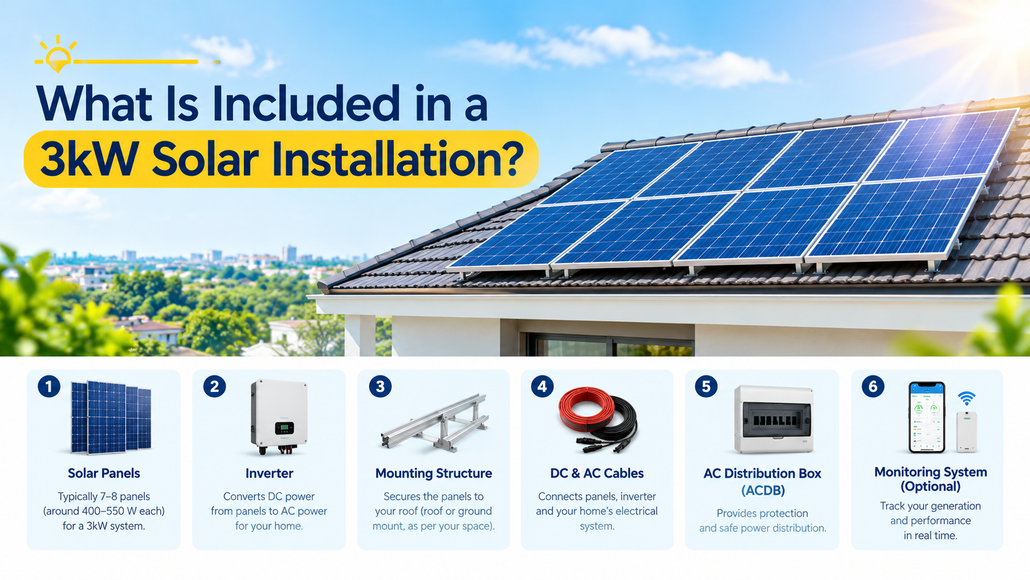
What Is Included in a 3kW Solar Installation?

components of a 3kW solar installation

When comparing quotations from different solar companies, compare what each company includes in the price.

A solar installation may include solar panels, a solar inverter, mounting structure, electrical protection and wiring, earthing and safety components, installation and commissioning.

Understanding the complete quotation helps customers compare solar systems properly.

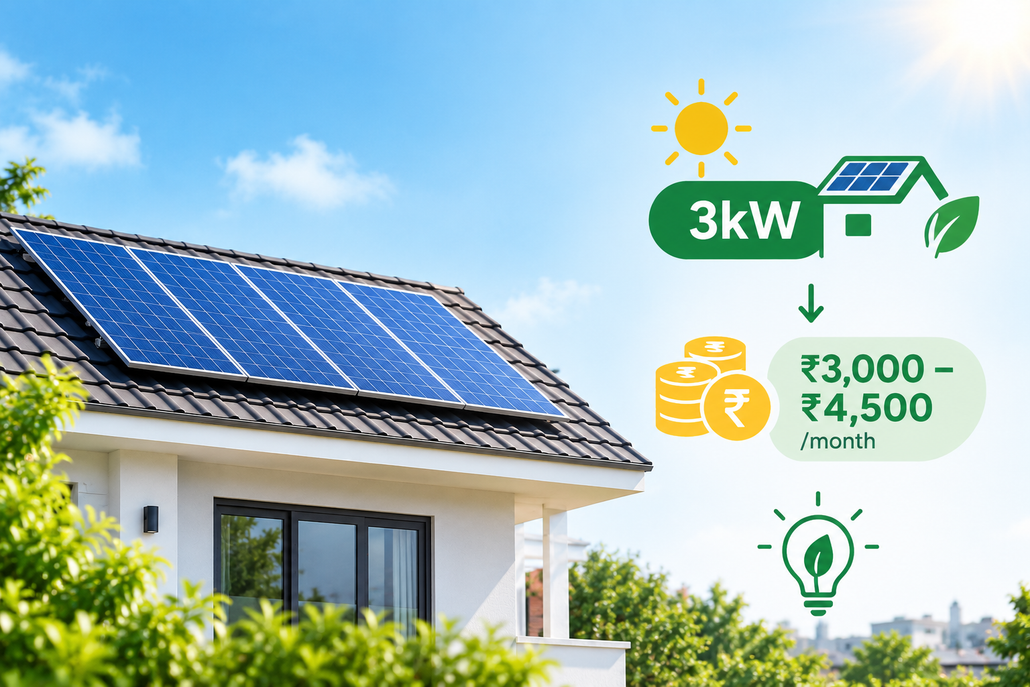
How Much Can You Save with a 3kW Solar System?

savings from a 3kW solar system

One of the main reasons homeowners consider solar energy is the possibility of reducing their dependence on electricity from the grid.

However, your savings depend on your monthly electricity consumption, electricity tariff, actual solar power generation, how you use electricity at home, system performance and applicable electricity regulations.

A proper analysis of your electricity bills and energy usage can help estimate whether solar is a good option for your home.

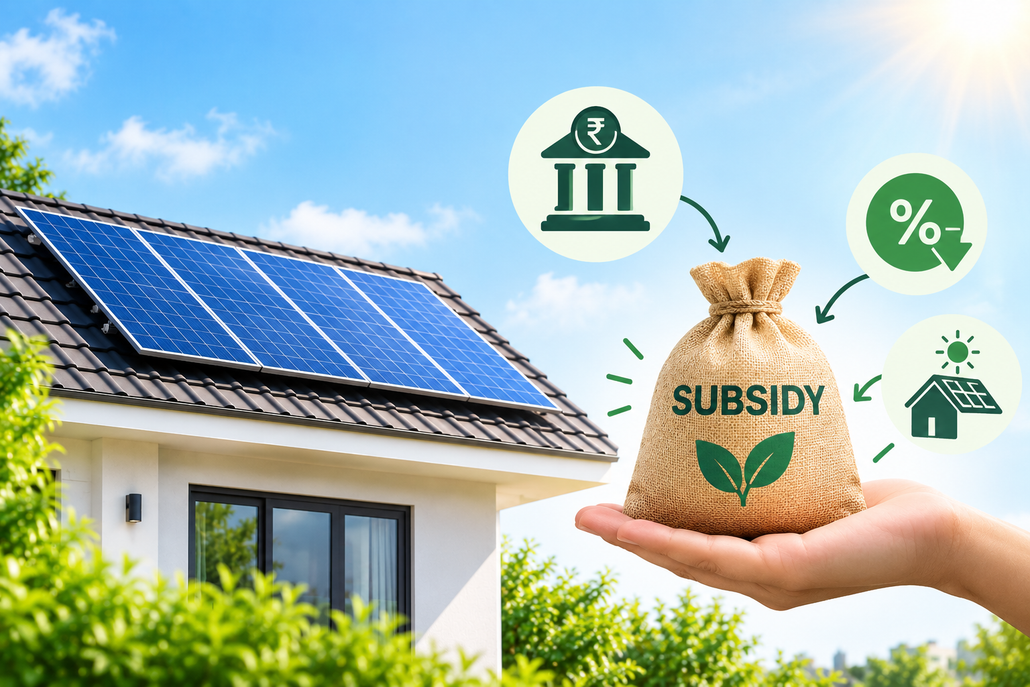
What About Solar Subsidy?

solar subsidy for residential solar installation

Government schemes and subsidy programs may be available for eligible residential solar installations. However, eligibility requirements, application procedures and subsidy amounts can change over time.

Before making a decision, homeowners should verify the latest official information and understand whether their property and proposed system are eligible.

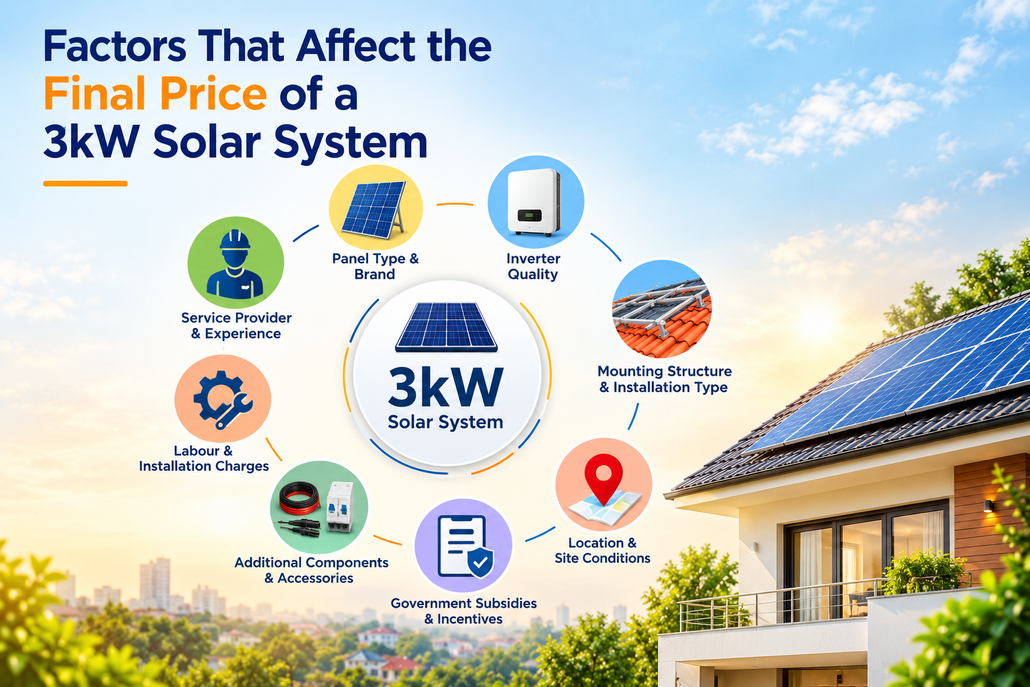
Factors That Affect the Final Price of a 3kW Solar System

factors affecting 3kW solar system price

Two homes may install a 3kW solar system but receive different quotations. The difference may result from solar panel quality, inverter selection, rooftop conditions, mounting structure requirements, additional electrical work, and service or warranty support.

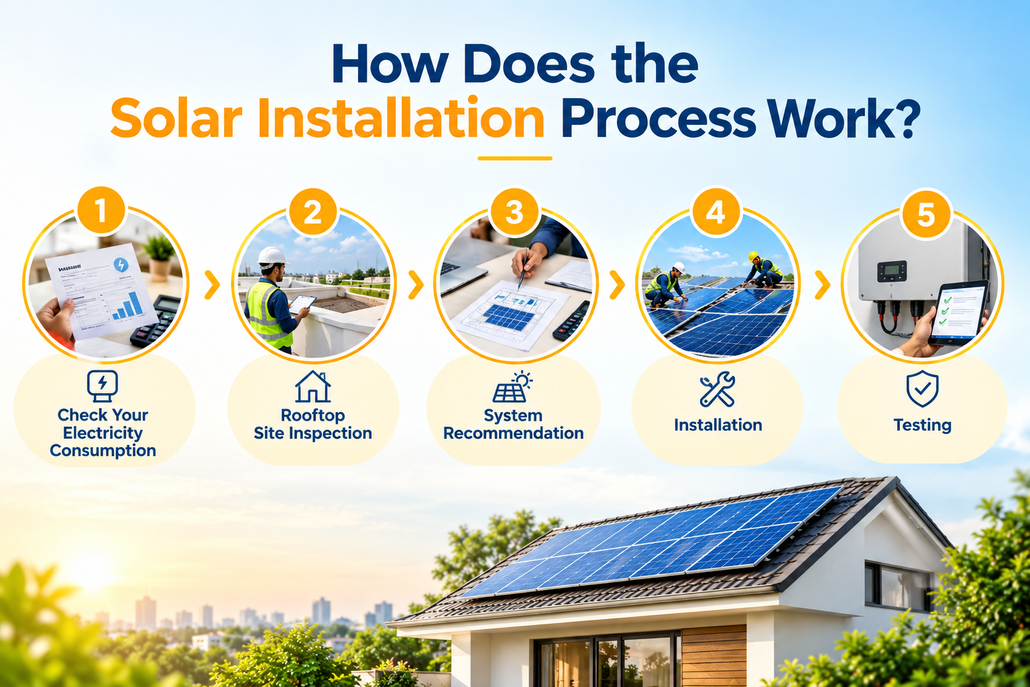
How Does the Solar Installation Process Work?

3kW solar installation process

Step 1: Check Your Electricity Consumption

Your electricity bills can help identify your current power usage.

Step 2: Rooftop Site Inspection

The installer checks the available space, sunlight and shading conditions.

Step 3: System Recommendation

Based on your electricity usage and rooftop conditions, a suitable solar system can be recommended.

Step 4: Installation

The mounting structure, solar panels, inverter and electrical components are installed.

Step 5: TestingStep

The system is tested to ensure that the components and connections are functioning properly.

How to Choose the Right Solar Installation Company in Chennai

solar installation company in Chennai

Installing solar panels is a long-term investment. Therefore, choosing a solar company should not be based only on the lowest quotation.

Before making a decision, consider asking:

  • What equipment will be used?
  • What is included in the quotation?
  • What warranties are provided?
  • How will the rooftop be assessed?
  • What safety measures are followed?
  • What service support is available after installation?

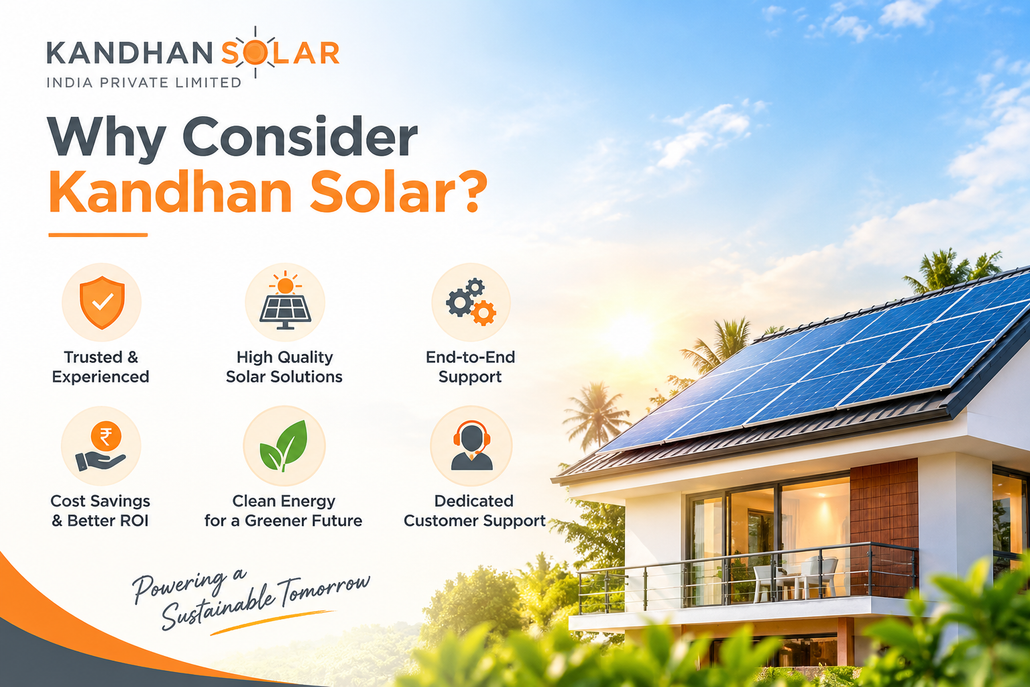
Why Consider Kandhan Solar?

Kandhan Solar rooftop solar installation

Choosing the right solar system starts with understanding your property’s requirements.

At Kandhan Solar, we believe that a solar solution should be based on the customer’s actual electricity consumption and rooftop conditions.

Before selecting a system, it is important to consider your electricity usage, available rooftop space, sunlight and shading, and future energy requirements.

A proper assessment can help you understand whether a 3kW solar system is suitable for your home or whether a different capacity would be a better option.

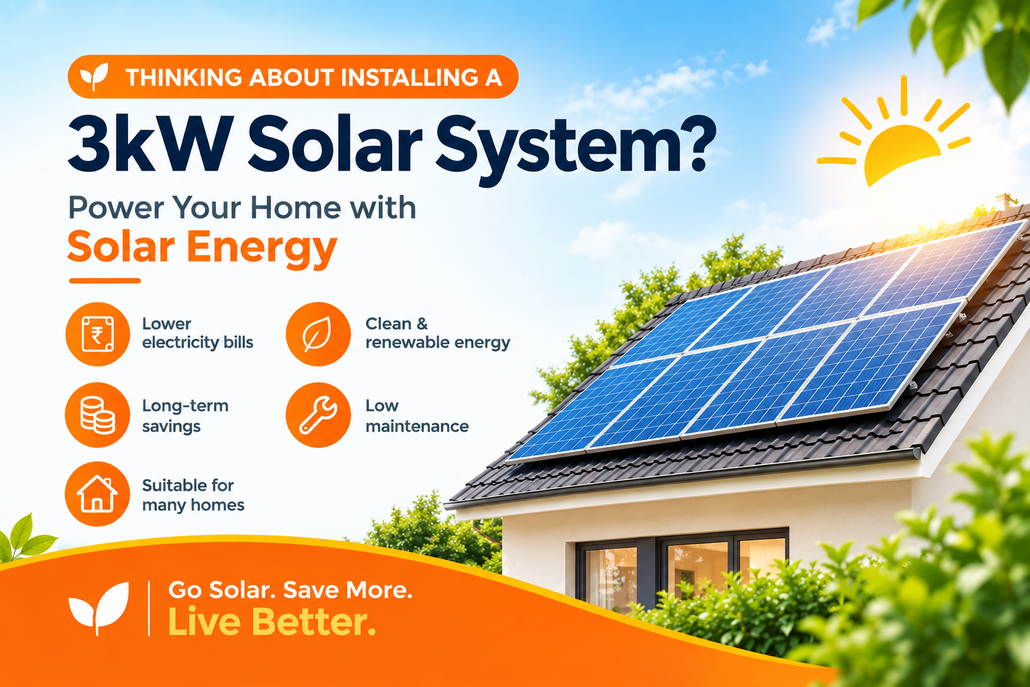
Thinking About Installing a 3kW Solar System?

3kW solar system installation for a home

If you are considering a 3kW solar system for your home in Chennai, the first step should be to understand your electricity requirements and rooftop conditions.

Instead of selecting a system based only on price, consider the complete installation, equipment quality, safety and long-term service support.

Contact Kandhan Solar to discuss your solar requirements and learn more about suitable rooftop solar options for your property.