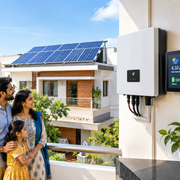
Solar NCES Approval Chennai: Process, Documents and Safety Requirements

Solar energy is becoming an important solution for residential, commercial and industrial properties across Tamil Nadu. However, installing solar panels involves more than selecting equipment and completing the installation. Therefore, understanding solar NCES approval Chennai requirements is also important for projects that need technical verification, electrical safety compliance and grid connectivity coordination.

Additionally, NCES approval support helps solar project owners understand the relevant technical requirements, prepare documentation and coordinate with the concerned authorities. In this guide, we explain the important aspects of solar NCES approval. Furthermore, we explore how professional assistance can make the process easier.

What Is Solar NCES Approval Chennai?

Solar NCES approval refers to the network connectivity and energy safety approval support associated with solar power installations.

A solar power system connected to the electricity grid must meet the applicable electrical safety and technical requirements. Depending on the project category, capacity and applicable regulations, the process may involve technical documents, equipment specifications, safety verification and inspection coordination.

For solar consumers and project developers, understanding these requirements before installation can help avoid documentation mistakes and unnecessary delays.

Why Is Solar NCES Approval Chennai Important?

When planning a solar installation in Chennai or elsewhere in Tamil Nadu, it is important to understand the applicable approval and safety requirements.

Some important considerations include:

1. Electrical Safety Compliance

Solar installations must follow the relevant electrical safety standards. Proper equipment selection, earthing, protection systems and wiring practices are important for safe operation.

2. Technical Documentation

Accurate technical information helps authorities and inspection teams understand the proposed solar installation. Documents may include system specifications, inverter details and electrical drawings.

3. Grid Connectivity Requirements

Grid-connected solar installations must comply with the applicable electricity utility requirements before being connected to the distribution network.

4. Inspection Coordination

Some installations require technical inspections or safety verification before commissioning. Proper preparation can help make the inspection process more organized.

Documents Required for Solar NCES Approval Chennai

Documentation requirements can vary depending on the solar project capacity, installation category and applicable authority guidelines.

Commonly relevant documents may include:

  • Electricity service connection details.
  • Solar panel technical specifications.
  • Inverter specifications and certifications.
  • Electrical single-line diagram (SLD).
  • Solar system installation details.
  • Earthing and protection system details.
  • Relevant equipment test certificates.
  • Electrical inspection or testing reports, where applicable.
  • Application forms and supporting documents.

Before submitting an application, confirm the latest document checklist with the concerned authority.

Solar NCES Approval Process in Chennai, Tamil Nadu

The approval and compliance process generally involves the following activities, depending on the project requirements.

Step 1: Initial Solar Project Assessment

The solar project is reviewed to understand its capacity, electrical configuration and applicable approval requirements.

Step 2: Technical Document Preparation

Necessary equipment specifications, electrical drawings and supporting documents are collected and reviewed.

Step 3: Application and Submission

The relevant application and supporting documents are submitted through the applicable authority’s designated process.

Step 4: Technical and Safety Verification

The submitted information and installation details are checked against the applicable technical and electrical safety requirements.

Step 5: Inspection Coordination

Where an inspection is required, the necessary coordination and documentation support are arranged.

Step 6: Approval and Grid Connectivity

After fulfilling the applicable requirements, the project can proceed with the relevant approval, metering and grid-connection activities.

Official Solar NCES Approval Guidelines in Tamil Nadu

Solar consumers should refer to official government and electricity utility resources for current procedures and requirements.

The Tamil Nadu electricity utility provides information about rooftop solar applications, documentation, inspections and grid connectivity through its official portal.

You can refer to the following resources:

These resources can help consumers understand the applicable procedures. Requirements may differ according to project capacity and category.

Why Choose Kandhan Solar for NCES Approval Assistance?

Kandhan Solar provides solar energy solutions and technical support for residential, commercial and industrial customers.

Our solar approval assistance focuses on helping customers understand the relevant requirements and organize the necessary technical documentation.

Our support includes:

  • NCES approval guidance.
  • Technical documentation support.
  • Electrical safety compliance guidance.
  • Equipment specification review.
  • Inspection coordination.
  • Technical consultation for solar projects.

If you are planning a solar installation and need professional guidance, explore our dedicated service page:

Solar NCES Approval Services – Kandhan Solar

Explore More Solar Services from Kandhan Solar

If you are interested in installing a solar power system, explore our other solar solutions:

Contact Kandhan Solar

Rooftop Solar Installation in Chennai

CAPEX Solar Projects

OPEX Solar Projects

About Kandhan Solar

Frequently Asked Questions About Solar NCES Approval Chennai

How can I get assistance with solar NCES approval in Chennai?

You can contact Kandhan Solar for guidance on technical documentation, applicable safety requirements and inspection coordination.

What is the purpose of solar NCES approval?

It relates to network connectivity and energy safety requirements associated with solar installations. The applicable process depends on the project and relevant authority guidelines.

Is solar approval necessary before grid connection?

Grid-connected solar installations must follow the applicable electricity utility procedures and technical requirements. Consumers should confirm the process for their specific installation.

What documents are required for solar NCES approval?

Commonly relevant documents include electricity service details, solar module and inverter specifications, electrical drawings and applicable safety reports.

Conclusion: Get Solar NCES Approval Assistance in Chennai

Solar installation is an important investment in a cleaner and more sustainable energy future. However, technical compliance, electrical safety and grid connectivity requirements should never be overlooked.

Furthermore, proper documentation and professional technical guidance can help make the approval process more organized. As a result, solar project owners can better understand the requirements before proceeding with installation and grid connection.

Ultimately, choosing the right solar service provider makes a difference. Therefore, contact Kandhan Solar for professional solar guidance and NCES approval assistance in Chennai and Tamil Nadu.
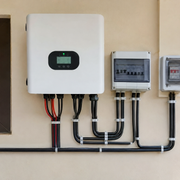
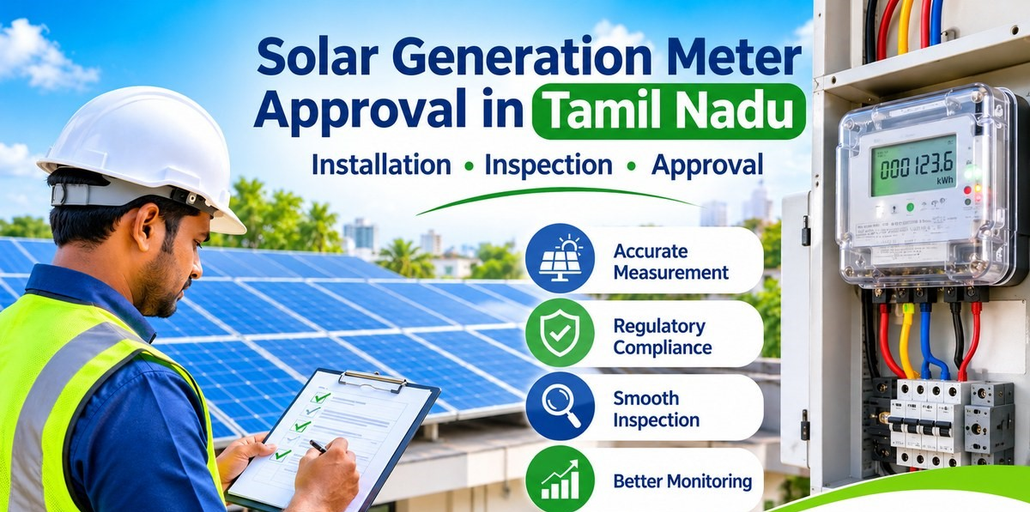
Solar Generation Meter Approval in Tamil Nadu: Complete Guide for 2026

Solar Meter Approval in Tamil Nadu is an important step in ensuring that your rooftop or ground-mounted solar installation follows applicable electricity-board requirements. Solar generation meters help measure the electricity produced by solar panels and monitor overall system performance. Whether you are a homeowner, business owner or industrial customer, understanding the solar meter approval process can help you complete your solar project more smoothly. Kandhan Solar provides technical guidance and documentation support for solar projects across Tamil Nadu.

What Is a Solar Generation Meter?

A solar generation meter is an electrical measuring device that records the total electricity produced by a solar power system. It helps homeowners and businesses monitor their solar energy production and understand the performance of their installations.

For residential, commercial and industrial solar projects, generation meters provide valuable information about electricity generation and system efficiency.

Why Is Solar Generation Meter Approval Important?

Obtaining the applicable Solar Generation Meter Approval in Tamil Nadu is important for ensuring that your solar installation follows the relevant technical and regulatory requirements.

Some key benefits include:

1. Accurate Solar Energy Measurement

A generation meter measures the electricity produced by your solar panels and helps monitor the overall performance of your solar system.

2. Regulatory Compliance

Solar installations must follow applicable electricity-board requirements and technical standards. Proper metering arrangements help meet the relevant requirements.

3. Smooth Inspection and Verification

Depending on the project category, inspection and verification may be necessary. Proper documentation and technical preparation can help reduce delays.

4. Better Energy Monitoring

Generation meter readings help property owners understand their solar electricity production and identify possible performance issues.

Solar Generation Meter Approval Process

The approval process may vary depending on the solar system capacity, electricity connection type and applicable regulations.

Generally, the process involves the following steps:

Step 1: Solar System Assessment

The solar installation is evaluated based on its capacity, electrical configuration and site conditions.

Step 2: Technical Requirement Verification

The applicable generation meter specifications and electrical requirements are identified.

Step 3: Documents Required for Solar Generation Meter Approval

Required technical details, system specifications and supporting documents are prepared.

Step 4: Generation Meter Installation

The generation meter is installed in the appropriate location according to applicable electrical safety and technical standards.

Step 5: Inspection and Verification

Where required, the installation is coordinated for inspection and verification by the concerned authorities.

Step 6: Approval and Monitoring

After completing the applicable verification and approval requirements, the solar system can be monitored using generation meter readings.
Documents Required for Solar Generation Meter Approval

Documentation requirements may differ depending on the project and electricity-board guidelines.

Commonly required documents may include:

  • Solar panel technical specifications.
  • Solar inverter details.
  • Solar system capacity information.
  • Electrical Single Line Diagram (SLD).
  • Generation meter specifications.
  • Relevant test certificates.
  • Electricity service connection details.
  • Applicable application forms and supporting documents.

Always confirm the latest document requirements with the concerned electricity distribution authority.

Common Challenges in Solar Meter Approval

Solar project owners may face certain challenges during the approval process, including:

  • Incomplete application documents.
  • Incorrect technical specifications.
  • Meter installation and wiring issues.
  • Electrical safety compliance concerns.
  • Inspection coordination delays.
  • Differences between project requirements and submitted documents.

Working with an experienced solar installation company can help reduce documentation errors and improve coordination.

Why Choose Kandhan Solar for Solar Meter Approval?

Kandhan Solar India Private Limited provides comprehensive solar energy solutions for residential, commercial and industrial customers across Tamil Nadu.

Our team supports customers with the technical and coordination requirements associated with solar generation meter approval.

Our services include:

  • Generation meter installation guidance.
  • Technical compliance verification.
  • Documentation preparation and submission support.
  • Inspection coordination.
  • Meter testing and calibration guidance.
  • Solar system technical assistance.

Whether you are planning a residential rooftop solar installation or a large commercial solar project, Kandhan Solar can help you understand the applicable requirements.


Explore our dedicated service: Solar Generation Meter Approval


Solar Generation Meter Approval for Residential and Commercial Projects

Different solar projects may have different metering requirements.

Residential Solar: Homeowners installing rooftop solar systems should understand the applicable generation and import/export metering requirements for their electricity connections.

Commercial Solar: Offices, hospitals, shops and commercial establishments need suitable metering arrangements to monitor solar generation and electricity consumption.

Industrial Solar: Factories and manufacturing facilities may require additional technical coordination depending on their electrical infrastructure, system capacity and connection arrangement.

Kandhan Solar provides solar project support across Chennai and other locations in Tamil Nadu.

Conclusion

Solar energy offers an excellent opportunity to reduce dependence on conventional electricity and improve long-term energy management. However, proper metering and applicable approvals are equally important for a successful solar installation.

Understanding the Solar Generation Meter Approval in Tamil Nadu process helps homeowners and businesses prepare their solar projects more effectively.

Kandhan Solar provides technical guidance, documentation support and inspection coordination to help customers with their solar installation requirements.

Planning to install solar panels or need assistance with generation meter approval?

Contact Kandhan Solar today!

Kandhan Solar India Private Limited

Phone: 9840136668

Website: https://kandhansolar.com/

For official information about rooftop solar applications and related procedures in Tamil Nadu, customers can visit the Tamil Nadu rooftop solar application portal to check the applicable guidelines and application requirements.


Frequently Asked Questions

1. What is a solar generation meter?

A solar generation meter measures the total electricity produced by a solar power system and helps monitor its energy generation.

2. Is generation meter approval required for solar installations in Tamil Nadu?

Requirements depend on the system category, connection arrangement and applicable electricity-board regulations. Confirm the requirements for your specific project.

3. Who provides solar generation meter approval support in Chennai?

Kandhan Solar provides technical guidance, documentation support, installation guidance and inspection coordination for applicable generation meter approval requirements.

4. What documents are required for solar meter approval?

Documents may include solar panel and inverter specifications, electrical diagrams, meter details, service connection information and applicable application forms.

5. Does Kandhan Solar provide services outside Chennai?

Yes. Kandhan Solar provides solar solutions and project support across Tamil Nadu.

Rooftop Solar Approvals in Tamil Nadu: CEIG, NCES, TNPDCL and Generation Meter Explained

Getting rooftop solar approval in Tamil Nadu is often the slowest part of a solar project. Installing panels is the easy part. This guide explains each approval a rooftop solar project in Tamil Nadu may need, and how to avoid common delays.

Rooftop solar approval in Tamil Nadu: which approvals do you need?

Requirements depend on your system size, your tariff category (home, commercial or industrial) and whether you export power to the grid. In most projects, these are the approvals involved:

1. Net metering or net feed-in approval from TNPDCL (formerly TANGEDCO)

This lets your system connect to the grid. The application goes to the local electricity board office for your area. With net metering, the units you export are adjusted against the units you consume. With net feed-in, exports are paid at a fixed tariff. Which one you get depends on your consumer category.Net metering rules are set by the Tamil Nadu Electricity Regulatory Commission.

2. CEIG (Chief Electrical Inspector to Government) approval

CEIG checks that your installation meets electrical safety standards before it is energised. Larger systems usually need it.
Larger systems usually need it, and the capacity limit has been revised over time. Your installer or the local TNPDCL office can confirm whether your system needs CEIG approval.

3. NCES (Non-Conventional Energy Sources) approval

This covers registration and clearance for renewable energy generation under state norms. Whether it applies depends on your project type and size.

4. Solar generation meter approval

A separate generation meter records how much your system produces. It must be tested and sealed by the utility before commissioning.

Rooftop solar approval in Tamil Nadu: step-by-step process

  1. Site survey and design. Check shadow-free roof area, load and sanctioned demand.
  2. Apply for grid connectivity with the right documents (ID, EB bill, site plan, system details).
  3. Technical feasibility check by the utility.
  4. Installation after approval.
  5. CEIG inspection (if applicable), then meter testing and sealing.
  6. Commissioning and agreement signing.

Do not switch on the system before commissioning approval. Energising early can lead to rejection or penalties.Following this order keeps your rooftop solar approval in Tamil Nadu on track and avoids rework.

Five common reasons for delay

  • Incomplete documents, such as a missing ownership proof or an outdated EB bill.
  • Mismatch between sanctioned load and system capacity.
  • Installation done before approval.
  • Safety gaps found during inspection, such as earthing or protection devices.
  • No follow-up. Applications can sit idle if nobody tracks them.

OPEX or CAPEX: how it affects approvals

Under CAPEX, you own the system and are responsible for the approvals (usually handled by your installer). Under OPEX, the solar provider owns, operates and maintains the plant, and manages the paperwork. Businesses that want less hassle often prefer OPEX. Those who want full ownership and long-term savings choose CAPEX.

Why use an installer who handles approvals

Many projects are delayed by paperwork, not by panels. At Kandhan Solar, we handle CEIG, NCES, TNPDCL and generation meter approvals along with installation and maintenance, so you deal with one team from start to commissioning.

Kandhan Solar manages rooftop solar approval in Tamil Nadu from application to commissioning.

Planning a rooftop or ground-mounted solar project in Chennai? Contact Kandhan Solar or call +91 90940 11042 for a free consultation.